Workforce
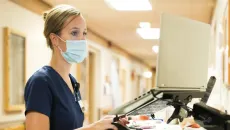
Hospital-employed clinicians and staff can request rides to and from their shifts with no upfront costs, the companies said.

Success Stories & ROI
The health system's chief physician executive recognized that adding a new technology to the patient-physician encounter could be counterproductive if not done correctly. But the benefits of automated scribing have been notable, he says.

The platform is designed to integrate easily into nurses' day-to-day workflows, and now gives them the ability to pause, edit and validate entries to ensure accuracy and compliance, among other new features.

Founded by Duke Health innovator Dr. Mark Sendak, the company offers a marketplace of validated AI tools and will work with providers to promote their adoption and monitor their performance. It will also help commercialize effective models.

Epic with Louisiana providers will enable MyChart access for all of its 2.5 million patients in the state, while athenahealth and WellSky invested in administrative artificial intelligence for home health clinicians and practice claims staff.

Jessica Potts, workforce strategy and operations director at SSM Health, says scheduling and staffing technologies are changing nurse managers' day-to-day tasks.

Instead of trying to chase every AI breakthrough, health systems should focus on incremental wins in stable processes to achieve measurable value quickly, says Dr. R. Ryan Sadeghian of the University of Toledo.

Also, Singapore General Hospital has opened a centre for excellence in robot-assisted surgery training with Johnson & Johnson MedTech.

By bringing nurse stakeholders to the table, the company seeks insights that can help it build better artificial intelligence tools that work more seamlessly across electronic health record workflows.
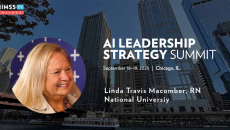
From early rules-based systems to the genAI innovation of today, National University professor Linda Travis Macomber, RN, reflects on four decades of artificial intelligence progress – and looks to the future of connected and continuous care.