Search

Interoperability is improving, but artificial intelligence is exposing the difference between merely exchanging data and actually making data usable, one consultant said.

After a successful launch in Colorado, the health system said it will add virtual care and digital features in stages across all of its locations, from major hospitals to small rural locations.

Success Stories & ROI
The rural health system has seen a significant reduction in employee turnover with the technology – an impressive feat, given national workforce challenges.

Success Stories & ROI
Further, the Oklahoma State University Center for Health Sciences has helped partner rural hospitals save an estimated $200,000 to $350,000 in recruitment costs while still ensuring patients receive timely, high-quality care locally.

Nursing and IT
The 24-state health system's integrated care model has achieved a 43% reduction in first-year RN voluntary turnover, a 21% decrease in emergency department hold hours and many other wins. Its virtual nursing transformation chief offers details.

"Think about where you want to apply AI – documentation, patient engagement, revenue cycle, clinical trials – and go talk to those teams," says its VP of data and research. "The developers will be there. That's where the real conversations happen."

Remote Patient Monitoring
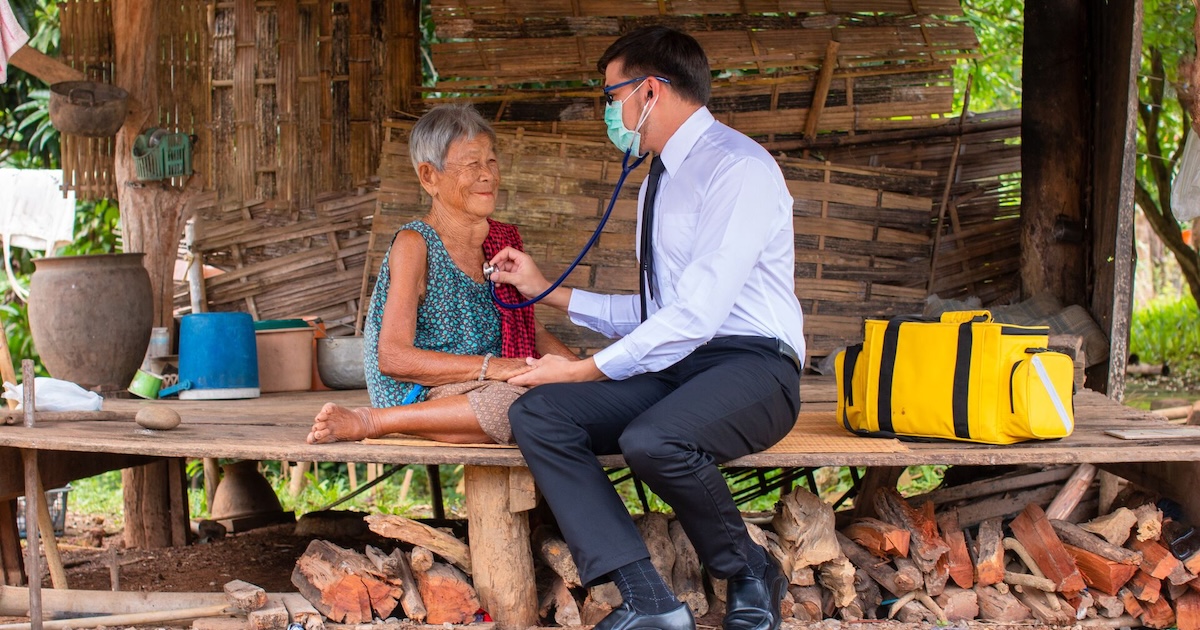
Rural Americans are nearly three times more likely to develop chronic kidney disease than those in urban areas. Dr. Sharica Brookins has proven that, with telehealth and RPM, 100% virtual kidney care is not only possible, but essential.

New this month: Smart technology collaborations aim to enhance inpatient care, promote patient coordination and reduce clinical burdens with advanced AI.

The Samsung Medical Center-led network is looking to add more partners to promote their continuity of care model.

The stakes are high and the challenges unrelenting. But just as threats are evolving, so are the skillsets and leadership strategies to mitigate risk, safeguard data and protect patients.