White Papers

Many organizations are operating on a fractured technology platform of hundreds, or even thousands, of solutions and apps that are neither connected nor integrated, resulting in siloed data, inefficient processes and costly technical debt.
Generative artificial intelligence (AI) tools that analyze large quantities of data and use natural language processing (NLP) algorithms to answer queries with relevant, accurate information can help healthcare organizations streamline hospital operations, reduce costs and increase efficiencies.
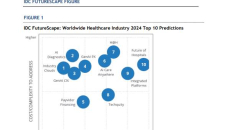
These predictions for 2024’s healthcare industry landscape reflect the increasing drive to automate and deploy AI applications to reduce costs and improve patient care quality.
When hospitals and health systems can integrate pertinent patient data into electronic health records (EHRs), they can deliver better patient outcomes at lower costs. However, managing unstructured patient data such as medical images and scanned records from outside providers poses a challenge to achieving this goal.
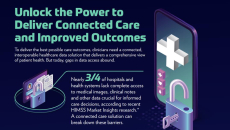
According to recent HIMSS Market Insights research, healthcare leaders’ top goals are improving patient outcomes and optimizing clinical workflows and performance. However, managing unstructured data, medical images and other content, as well as the inability to exchange information with stakeholders outside their own systems, are major obstacles to meeting these goals.
North Shore Community Health Inc. (NSCHI) is a Federally Qualified Health Center (FQHC) based on the North Shore of Massachusetts offering medical, dental, behavioral health and supportive services. NSCHI is implementing a full suite of Concord Practical AI™ solutions that will create flexible, customized pathways for document classification and data extraction and delivery.

This KLAS Research Performance Report on next-generation digital fax revealed that advanced users were not fully leveraging the capabilities of their digital fax solutions. In addition, they reported that deployment is still a challenge. That said, advanced users see digital fax as a long-term fixture in their organizations and a critical component of their interoperability strategy.
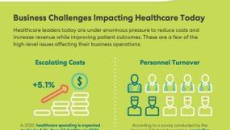
Healthcare organizations (HCOs) continue to face business challenges such as escalating costs, personnel turnover and the difficulty of querying and electronically receiving unstructured patient data.
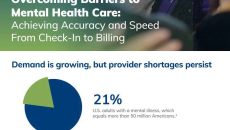
Although Medicaid is the single largest payer for mental health services, states’ disenrollments and changes to Medicaid managed care programs complicate the billing and claims process further.

Reimbursement requirements for mental and behavioral health services have become more complex, leaving many providers struggling to balance the priority of the patient experience and financial stability.