Workforce
New agentic tools, medication management advances, medical device guidance and the "great tech reckoning" were among just some of the hundreds of artificial intelligence and machine learning stories we published this past year.

Rural hospitals are overcoming fears of artificial intelligence and adopting tools that integrate with electronic health records on their own terms – whether that's all at once or by cultivating buy-in slowly and deliberately.

Also, Yonsei University has received $4 million in state funding to develop AI for automating nursing workflows.
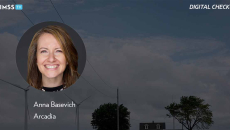
Anna Basevich, SVP at Arcadia, says the new Investments in workforce and integrated technologies can help strengthen and expand care in rural areas.
By searching and cross-referencing all electronic health record data, large language models are helping to provide leading-edge oncology care to more patients while freeing up nurses' time, says Dr. Aaron Gerds at the Cleveland Clinic’s Cancer Institute.

Nursing and IT
The achievement was made by uncovering and activating capacity that had always been there: Staff just couldn't see it until they implemented consistent processes and system-wide analytics.
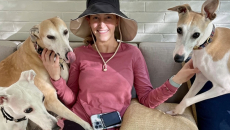
Telemedicine can bring down the wait to see a specialist from months to hours, while reducing costs. Health systems can do well to create telehealth-first specialist programs that refer to in-person visits when necessary, a teledermatologist says.
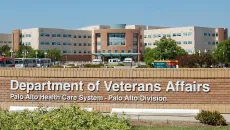
The department is proposing to reorganize the Veterans Health Administration health agency over the next 18-24 months. Meanwhile, new proposed House bills seek VA reforms.

New survey commissioned by Motorola Solutions revealed that people in the region are willing to share sensitive data and are fancying the use of AI for requesting emergency assistance.

Success in AI-driven healthcare, according to Microsoft's Dr. David Rhew, requires clinician upskilling, strong governance and data standardization to ensure that technology supports, not replaces, human clinical judgment.