Photo: xavierarnau/Getty Images
Southern Philippines' first robotic surgery, rehab
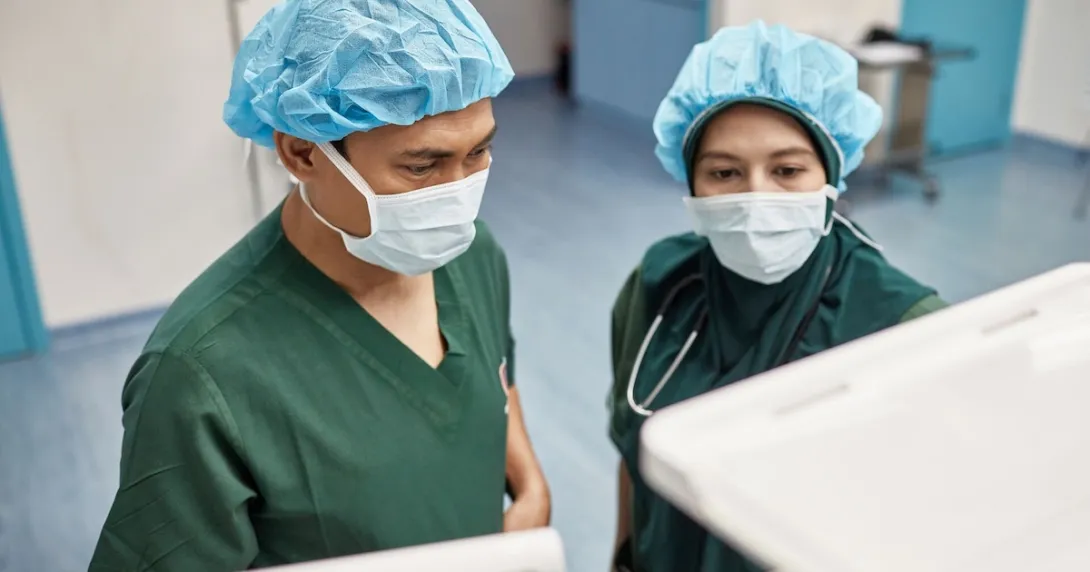
The Southern Philippines Medical Center in Davao, southern Philippines, has started offering robotic surgery and rehabilitation services, becoming the first government hospital outside Metro Manila to perform robotic procedures.
According to a state news report, 23 patients have undergone robotic surgery at the hospital since the program began in October, using a system with high-definition 3D visualisation and motion scaling to support precise cervical, thoracic, and abdominal operations.
The Philippine General Hospital is the first public provider of robotic surgery in the Philippine capital, while SPMC surgeons are continuing to complete certification.
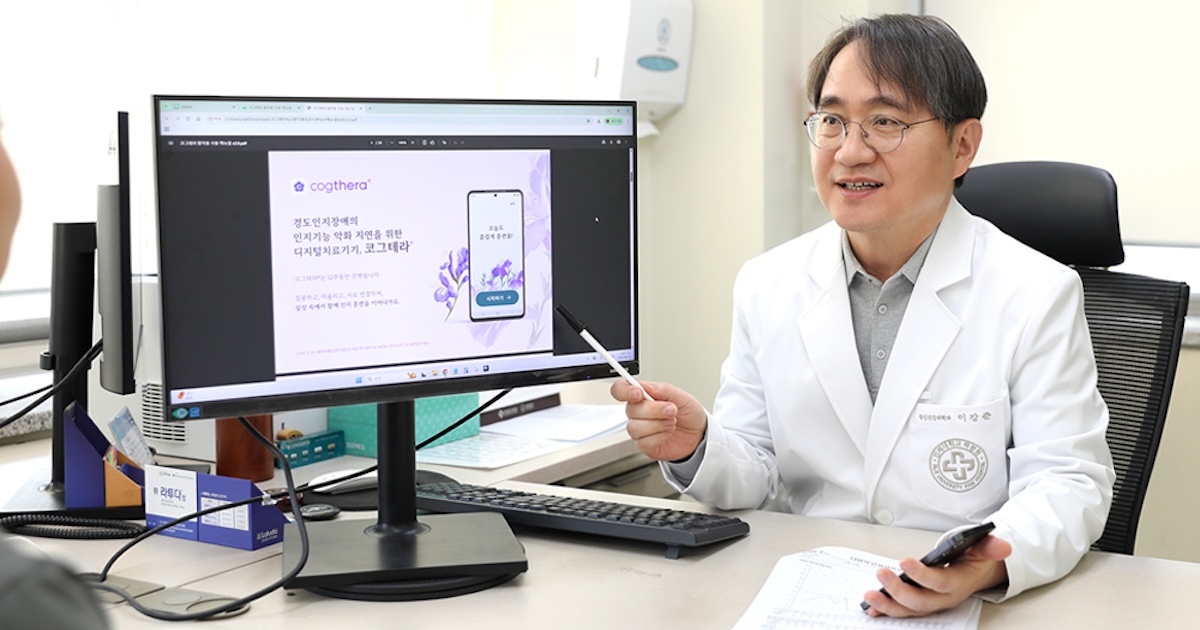
Yonsei to develop nursing AI automation
The Yonsei University College of Medicine and College of Nursing are developing AI technology to automate nursing records under a government-funded digital healthcare project worth 6.3 billion won ($4.4 million) over five years.
A press release noted that the Nursing Record Automation AI combines a medical large language model with multimodal tools to generate and standardise documents such as surgical and medication records. There are plans to integrate the cloud-based AI system into hospital medical records.
The project is led by clinical faculty and will undergo multi-institutional piloting, with partners including the National Cancer Center Korea.
Pakistani non-profit educ, health network signs AI partnership
Karachi-based non-profit Khoja (Pirhai) Shia Isna Asheri Jamaat (KPSIAJ) have signed a memorandum of understanding with AI startup MindHYVE.ai to introduce AI tools across the Fatimiyah education and healthcare network, including Fatimiyah Hospital.
The agreement, based on a press release, covers deployment of an AI platform for adaptive learning and literacy training for faculty and clinicians through the Dawn Directive program, and a non-clinical readiness evaluation of an AI powering clinical decision support workflows using de-identified cases.