Photo: Tetra/Getty Images
Algorithms designed for clinical trials can quickly cross-reference key medical data, such as details found in doctors' notes, throughout electronic health records and slash the time it takes to determine patient eligibility.
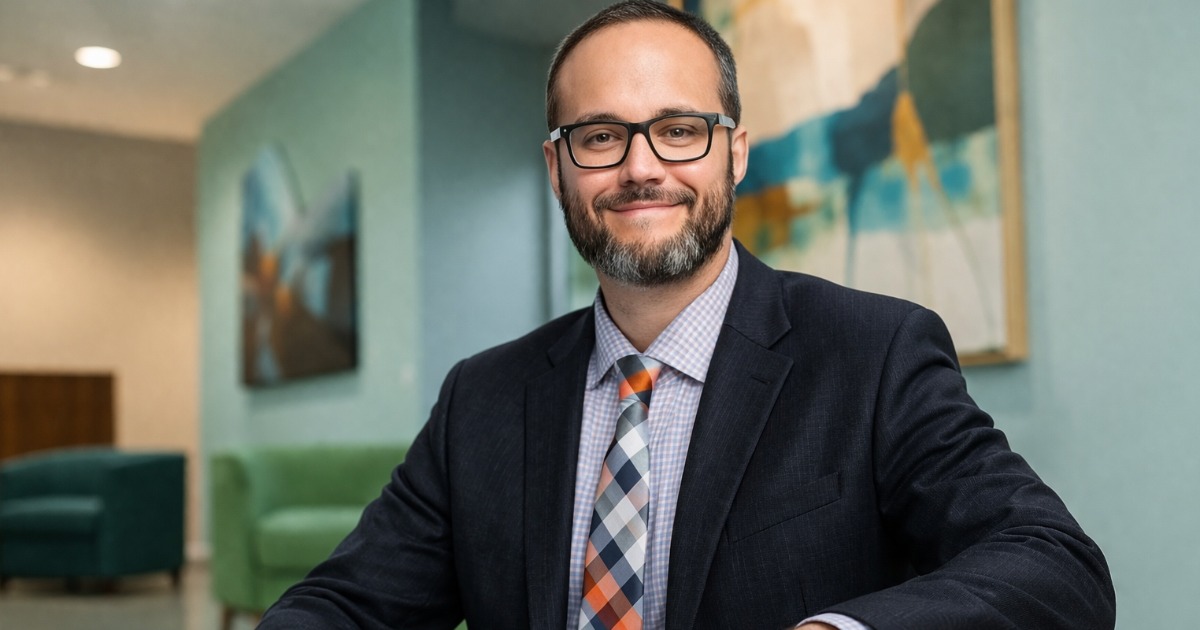
Enhancing clinical trial access with AI is helping to ensure that oncology patients are receiving the standard of care – getting "the treatment of tomorrow today," according to Dr. Aaron Gerds, Deputy Director for Clinical Research at the Cleveland Clinic’s Cancer Institute.
When natural language processing models scour EHRs to identify potential study patients, they can help raise awareness of clinical trials outside major academic medical centers. It has always been a challenge for centralized clinical research, but finding more eligible patients quickly with AI means The Clinic's researchers can focus on improving referral rates from communities that are farther away physically, but within reach via the health system's EHR.
Within moments of loading a clinical protocol into a large language model, Gerds said his team can identify more than 20 eligible patients and another 20-30 that might be eligible with follow-up.
The advantage of AI is that it can search across all types of data and cross-reference details in various EHR modules. Gerds said the models can pull all places in a patient chart where the clinical trial's necessary criteria are met.
AI models are saving time for The Clinic's research nurses who screen patients for studies, freeing them up to focus more time on patient care. In this week's episode of HIMSSCast, Gerds explains how in one remarkable test, the Cleveland Clinic pitted an LLM against its seasoned research nurses.
The AI and the nurses were given the same task – determining patient eligibility for a clinical trial. They had similar accuracy, but the LLM accomplished the task in two and a half minutes while nurses needed an average of 427 minutes to determine patient eligibility manually.
"It frees up time for that valuable, limited resource we have – nursing staff – to go do other things," Gerds said.
Like what you hear? Subscribe to the podcast on Apple Podcasts, Spotify or Google Play!
Talking points:
- Why clinical trials are the standard of cancer care
- Surpassing barriers to clinical trials access
- Finding and recruiting patients faster with LLMs
- Testing LLMs against seasoned nurses
- Enhancing enrollment to speed up cancer drug development
- Developing tighter clinical trial protocols for faster speed-to-market
More about this topic:
AI can create a level playing field for patients
Memorial Sloan Kettering innovates clinical trials with AI
Breaking down barriers in patient-centered clinical research
New NIH tool uses genAI to connect volunteers with clinical trials
AI in clinical trials: 3 tips for fairness
Andrea Fox is senior editor of Healthcare IT News.
Email: afox@himss.org
Healthcare IT News is a HIMSS Media publication.