Workflow

At HIMSS26, panelists discussed whether healthcare technology is improving care or adding challenges to the healthcare journey for clinicians and patients.

Leaders who align artificial intelligence strategy with clinical priorities, provide education and measure impact transparently will be best positioned to scale the technology responsibly and sustainably, adds PointClickCare's CMO.

Medicomp Systems' CEO adds that the challenge for HIMSS26 attendees in 2026 is harnessing AI-enabled efficiency while preserving clinical integrity. That balance will define the next phase of AI maturity in healthcare, he says.

Hospital and health system CIOs should map current prescription workflows in detail and prioritize interoperability with clear governance frameworks, advises Joseph Kleiman, president of Rx tech company Buzz Health.

To ensure new AI products support nursing workflows rather than force nurses to adapt to the technology, include nurses in the development process, Kaiser Permanente's Surya Shenoy and Jerri Westphal advise.

A multi-artificial intelligence agent architecture triggers high-risk patient advanced care planning to improve clinical workflows and patient experiences, while integrating critical human steps for action.

Healthcare leaders must ensure tech investments are paired with organizational changes that enable new workflows, Hal Wolf said at HIMSS26. He added nurses are likely to play an important role in shaping how digital tools evolve.
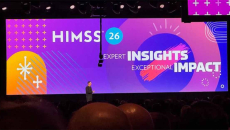
At HIMSS26, keynote speaker and former president of Tesla Jon McNeill shared the framework Tesla used when first developing the car company and how those lessons can be used in healthcare.
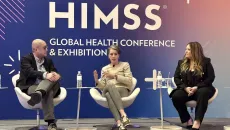
During a discussion at HIMSS26, panelists described the collaborative approach to designing healthcare spaces with real impact.

Also, General Practice New Zealand has called for minimum cybersecurity standards in primary care following recent reports of breaches.