Workflow

The American Medical Association says the new initiative is designed to ensure physicians are involved in the development and deployment of artificial intelligence technologies and to help shape AI policy conversations.

Beyond genAI, the health system is notching wins with robotic process automation, agents and ambient listening, says Rachini Moosavi, chief analytics officer at UNC Health, who explains how it convenes dedicated teams to promote AI enablement.

Epic Emeritus CMIO and former HIMSS Board Chair Dr. Michael H. Zaroukian offers health system IT leaders lessons from literature, frameworks for accomplishment, and an in-depth look into HIMSS Maturity Models designed to get EHRs to peak performance.

The platform is designed to integrate easily into nurses' day-to-day workflows, and now gives them the ability to pause, edit and validate entries to ensure accuracy and compliance, among other new features.

Founded by Duke Health innovator Dr. Mark Sendak, the company offers a marketplace of validated AI tools and will work with providers to promote their adoption and monitor their performance. It will also help commercialize effective models.

Hackensack Meridian Health and Color are using Google's artificial intelligence tools to speed up patient access and improve care. Also, Catalyst is using the cloud service to automate patient consent for clinical trials through EHRs via the HL7 FHIR data exchange standard.

In this special hour-long episode, recorded in Chicago at the inaugural event, our hosts and guests offer a wide-ranging discussion about smart AI investments and strategic alignment. Produced in collaboration with the Straight Outta Health IT podcast.
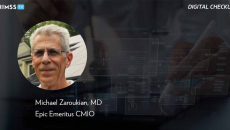
Though go-live has a finish line, the journey to excellence does not: Resist the urge to conclude that the way the health system uses the EHR is "good enough," advises Dr. Michael Zaroukian, also a past chair of the HIMSS board of directors.

To truly drive sustainable healthcare innovation, digital health leader Mahmood Adil says health systems must rethink business models and expand how they use data, especially regarding social determinants of health.

The Digital Medicine Society said its three-part artificial intelligence guide for hospitals and health systems is designed to help with planning, sourcing and scaling health AI technologies to protect resources and deliver system-level ROI.