Quality and Safety

Emergency medicine, radiology and anesthesiology still lag the overall benchmark across multiple indicators – pointing to ongoing workflow and staffing pressures in acute care environments.

AI & ML Intelligence
Artificial intelligence is becoming so user-friendly that doctors can code custom clinical workflow tools. But AI-driven vulnerability discovery is fast reshaping cybersecurity imperatives for IT leaders.

"It's coming at them at a very fast pace," says Broward Health CIO Steven Travers, who advises healthcare organizations to ensure new tools fit both what an organization is trying to accomplish and the existing processes of frontline staff.
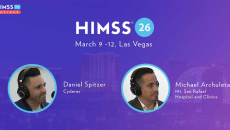
Mt. San Rafael's Michael Archuleta and Cyderes' Daniel Spitzer outline how AI can be used to enhance care delivery and protect against cyberattacks, having picked up new knowledge from HIMSS26's AI and cybersecurity preconference forums.
To bring novel precision evidence to existing workflows, the company said its growing medical library is accessible through more artificial intelligence-driven clinical technologies from Meta, Heidi Health, Humata and others.

Success Stories & ROI
"Our work highlights how combining clinical expertise with real-time data systems and automated digital tools can improve care for some of the sickest children in the hospital," says its clinical informatics specialist.
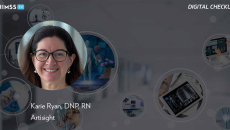
Artisight's AI ambient intelligence offerings combine audio and video, sensors and computer vision to create a smart hospital room for patient safety and workflow efficiency. Karie Ryan, DNP, the company's chief nursing officer, explains.

Members of Congress from affected states are hoping to repeal the AI-focused Medicare prior auth model, claiming it privatizes care delivery and harms patients.
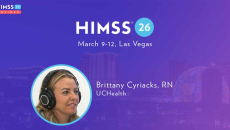
The health system developed a nursing command center enhanced by artificial intelligence that searches patient records for signs of deterioration and rolled it out to all 15 of its hospitals, explains UCHealth's Brittany Cyriacks.

Success Stories & ROI
What's more, staff used the analytics to slash inpatient length of stay from 5.99 days to 5.29 – a result "not driven by a single initiative, but by the cumulative effect of real-time visibility and coordinated action," says a performance improvement director.