Search

Success Stories & ROI
Archbold Medical Center has also achieved a reduction in restocking resources: After making changes informed by drug velocity and cost data, there was a 20% drop in technician labor associated with moving inventory to the cabinet.

SPONSORED
 |
06:00 am |
December 23, 2025
|
06:00 am |
December 23, 2025
|
06:00 am |
December 23, 2025
With further adoption of GS1 standards, RFID tags will support greater interoperability, efficiency and safety for each single dose of medication.

Success Stories & ROI
Deploying a central-fill Rx model for its 21 hospitals has dramatically reduced technician hours – and the risk of medication errors. Automation gains have also enabled the health system to reopen a long-closed hospital in an underserved area.

A 50% reduction in nurse-created discrepancies at medication cabinets and a 20% decrease in the time nurses spend dispensing meds have been two big wins. A 30% increase in storage capacity on the floors is another.

Getting to the unique root cause for each patient has enabled the healthcare organization to reduce hospitalizations, improve medication adherence, reduce healthcare costs, reduce medications and help patients lose weight.
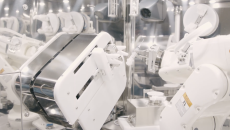
The organization's pharmacy director offers an in-depth look at this technology that has become crucial to the hospital.

SPONSORED
 |
05:52 am |
July 29, 2021
|
05:52 am |
July 29, 2021
|
05:52 am |
July 29, 2021
Sebastien Villars, senior director of product management at Omnicell, discusses how he predicts automation will have an impact on more streamlined medication management.
Coral Gables Hospital has survived major drug shortages, kept tight tabs on inventory, and helped patients and staff stay safe from coronavirus infection.
The aim is to help Omnicell client healthcare organizations gain better visibility of controlled substances across the pharmacy supply chain.
To help combat the opioid crisis, the medical center invested in inventory and analytics technology that helps accurately and consistently identify cases of drug diversion.