Bill Siwicki

Encouraging healthcare consumerism among the young should be another goal, says Greg Farnum, who works in federal strategic advisory at Audacious Inquiry. He digs into these three issues for the year ahead.

Success Stories & ROI
Hartford HealthCare and MIT codeveloped H2O, an analytics platform using machine learning to optimize hospital operational efficiency including improving length of stay and staffing efficiency.
The Georgia health system achieved 24/7 virtual RN coverage systemwide, demonstrating large virtual nursing implementations are achievable when tech, process and people are aligned. At HIMSS26, leaders of the initiative will explain.

Sustaining Rural Health
David Harse of TruBridge further explains how rural facilities can boost data security within EHRs without large IT teams or big investments and how hospital leaders can be pillars of community support using tech to expand resources.
AI & ML Intelligence
Primary care physicians can prioritize conversations on heart disease, diabetes and cancer, and frame them around the need for whole-person health. Brain health deserves the same approach, and new technologies are making it easier, says Dr. Julie Wood.
Success Stories & ROI
New York Cancer and Blood Specialists embedded platform for structured digital data collection in platform for in-room education and gained numerous efficiencies.
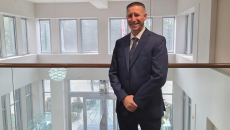
Michael Collins of Wellstar offers a preview of his HIMSS26 session, which aims to equip leaders with proven approaches to accelerate adoption, reduce resistance and help their organizations realize the full value of their investments.
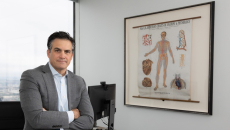
Virtual care is a viable model for the long haul, says Dr. Chris Gallagher of Access TeleCare. Two of his physician colleagues add their 2026 predictions on telehealth's role in stroke care and behavioral healthcare.
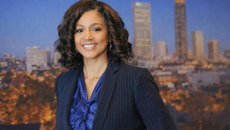
Denise Hines, executive director of GaHIN, previews her HIMSS26 session that will show how a statewide approach can turn whole-person care from a goal into an operational practice.
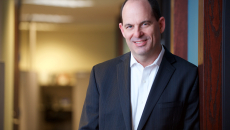
So says Dr. Andrew Mellin, CMIO at Surescripts, who also predicts prior authorization will become less challenging as prescribers in greater numbers turn to automated prior authorization technologies.