Precision Medicine

The estate of Singapore's legendary banker Khoo Teck Puat recently gifted the cluster over $100 million to help accelerate AI integration and population health research.

A deep learning algorithm called FaceAge could allow clinicians to improve their qualitative assessments and possibly catch diseases sooner, says Mass General Brigham oncologist Dr. Raymond Mak, who'll showcase the technology at HIMSS26.
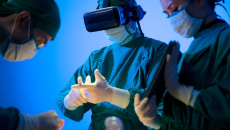
The region's healthcare leaders outline the key digital health and AI trends they expect will shape clinical care, data use, and innovation in the new year.
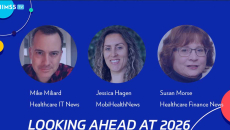
The editors of the HIMSS Media brands offer sneak peek of the year ahead: including precision medicine advances, cybersecurity challenges, policy shifts and, of course, continued evolution of AI-enabled care delivery.
The government will also fund hospital-based verification programs so AI tools can be tested and validated at scale before clinical rollout.
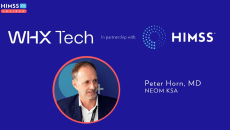
NEOM KSA's Dr. Peter Horn talks about the challenges of implementing precision medicine on a macro level after a pilot; success depends on strong data infrastructure, regulations tailored to each country and citizen engagement.
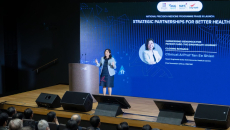
PRECISE confirms that hereditary cancers and kidney-related genetic diseases are under review for potential national genetic testing programme expansion.

Focused on radiation therapy, their GEMINI-RT collaboration will prioritize personalized treatments, AI-enabled process automation and multi-modal approaches to connected care.

Validated using Hong Kong's four-million-EMR dataset, the Chinese University of Hong Kong's diabetes model is now being expanded to cover other chronic diseases.

The two SymphonyAI companies are combining to launch GW RhythmX, an artificial intelligence-driven personalized care platform that unites clinical, financial, payer and social data.