Photo: eyesfoto/Getty Images
After a year marked by rapid AI adoption, expanding data infrastructure, and deeper digital integration into clinical workflows, leaders now see 2026 as a period of consolidation and maturation.
Healthcare IT News has gathered forward-looking insights from hospital executives, clinicians, academics and digital health experts across the Asia-Pacific region to identify the major health IT developments they expect will shape healthcare in 2026.
Which trend in health technology in your country will you see continuing in 2026? How about new trends to expect in the new year?
Hu Zhongkai, Chief Technology Officer, Gushengtang
China
In 2026, healthcare AI will shift from generative content to agentic AI; intelligent agents capable of executing complex clinical tasks and seamlessly integrating into healthcare workflows will become mainstream, evolving from assistive tools to "decision-making partners" for physicians. Multi-agent collaboration will emerge as the core engine for optimising care processes, supporting not just diagnosis and documentation automation, but also end-to-end scenarios like triage and follow-up tracking. Multimodal LLMs will continue gaining momentum by integrating medical imaging, clinical records, physiological signals, and Traditional Chinese Medicine-specific (TCM) data like tongue and pulse diagnostics, further advancing precision medicine.
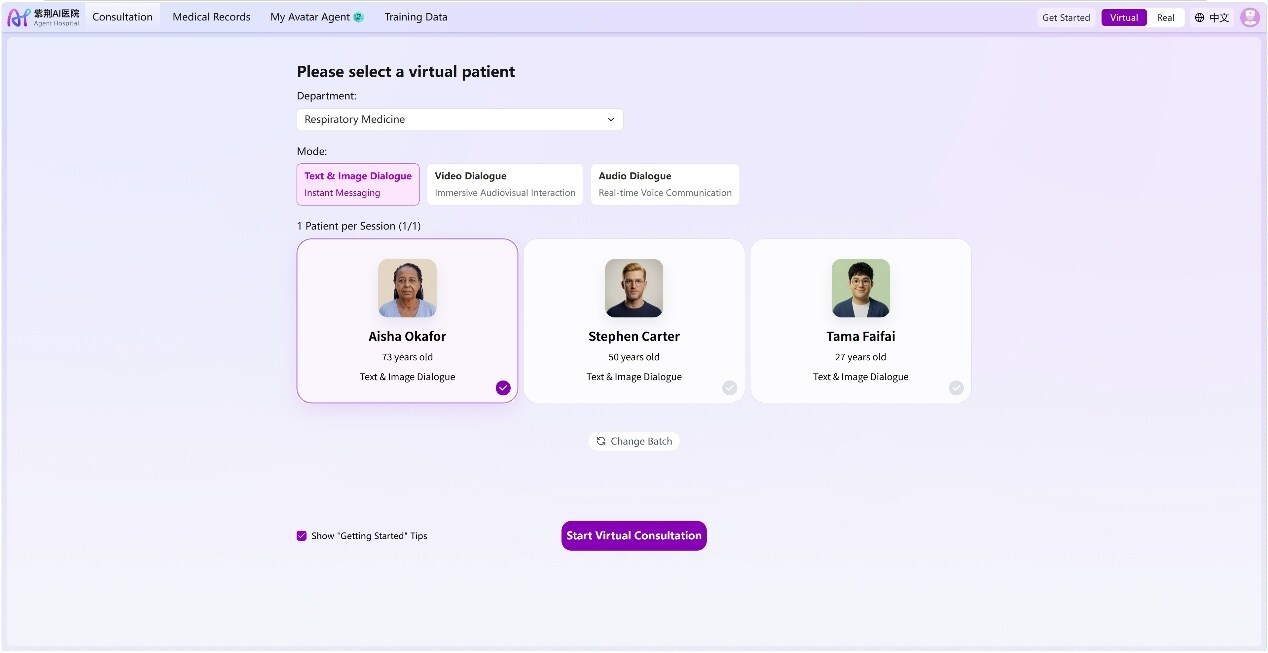
In 2026, Gushengtang will focus on deepening TCM AI specialisation and full-chain clinical implementation. First, we'll expand our national medicine AI avatar to cover 5-8 additional TCM specialty areas, improving alignment with expert diagnostic thinking while empowering young doctors and primary care institutions to address resource scarcity. Second, we'll advance our TCM Medical Service AI Agent platform, achieving AI-native intelligence across pre-diagnosis triage, clinical decision-making, and post-treatment efficacy tracking. Third, we'll build a TCM patient health management platform and wellness Q&A assistant, driving chronic disease management and personalised health recommendations through AI.
Serena Yong, CEO, Regency Specialist Hospital
Malaysia
At Regency, we see continued momentum in robotic-assisted and minimally invasive surgery, precision diagnostics, and digitally enabled care pathways. These technologies directly support better outcomes, faster recovery, and safer care. Looking ahead, the next phase is the evolution of smart hospital environments, where real-time data, connected systems, and predictive tools work together to support clinicians and improve the patient journey across the hospital.
Professor Juliana Chan Chung-ngor, Professor of Medicine and Therapeutics, Faculty of Medicine
Director, Hong Kong Institute of Diabetes and Obesity
The Chinese University of Hong Kong (CU Medicine)
Hong Kong
In Hong Kong, regular personalised and holistic assessment with timely feedback to promote health literacy, early intervention, and shared decision-making will continue as an important trend, aimed at helping people live a long and healthy life and making healthcare accessible, affordable, and sustainable.
The use of biogenetic markers, digital wear[ables], algorithms/models, and information technology, which have been validated with demonstrated utility, will increase the precision of prediction and use of therapeutics and technologies to promote well-being as well as prevent and treat diseases. These data-driven care models should be delivered by experienced healthcare teams to maximise the utility of these data with ongoing evaluation of its clinical and cost effectiveness, supported by a context-relevant health financing system.
Janine Cox, Executive Director, Data Information and Digital, Northern Queensland Primary Health Network
Australia
Australia’s health technology sector in 2026 will be defined by smarter, more connected care. AI will move from pilots to mainstream use, powering predictive analytics, clinical decision support, and automation. Interoperability and robust data governance will enable seamless information sharing, while virtual care and remote monitoring expand access for rural and remote communities. Patient-centric digital tools will continue to emerge, delivering personalised, culturally safe experiences, and cybersecurity and ethical AI frameworks will underpin trust. Together, these trends signal a shift toward proactive, equitable, and data-driven health systems.
At NQPHN, we will review and consider the ethical, effective and impactful use of AI across our operations and commissioned services in a phased approach. We are excited to collaborate with Queensland PHNs and academic partners to co-design use cases that advance predictive analytics for population health, enable AI-assisted needs assessments, and locally strengthen our clinical workforce through online education opportunities. Together, we aim to explore digital health innovations that reduce administrative burden and empower clinicians to focus on what matters most — patient care. Governance, ethics, and cultural safety remain central, ensuring trust as technology scales.
Zongyuan Ge, PhD, Associate Professor, Faculty of Information Technology, Monash University
Australia
In 2026, we will see Australia solidify its position as a global leader in sovereign AI infrastructure. With multi-billion-dollar investments in domestic GPU clusters and the maturation of digitised, interoperable hospital data, the focus is shifting from generic models to sovereign healthcare GPTs. These are foundation models trained specifically on Australian clinical datasets and regulatory frameworks, moving rapidly from research into large-scale clinical trials. We should also expect a 'Heidi AI effect' – a surge in specialised clinical spin-offs that don't just provide tools, but deeply embed AI into the workflow of local health systems to solve the critical workforce shortage.
Dr Eugene Loke, Medical Director, iAPPS Health Group
Singapore
Healthier SG will continue driving primary care digitalisation, while the emerging trend is integrated clinical intelligence. AI that surfaces guidelines and decision support invisibly within workflow rather than as standalone features.
At 1doc, we're building an evidence graph within our EMR that links patient data to clinical guidelines for real-time decision support across our 10-clinic network. We're designing this to align with MOH's AI governance framework, requiring human oversight, transparency in AI involvement, and clear accountability. Our approach focuses on augmentation. AI surfaces insights while doctors retain final clinical judgment.
_
Editor's note: This article will be updated once more responses come in. Responses have also been edited for brevity.