Population Health
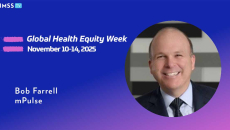
Bob Farrell, CEO of mPulse, explains how providers are overcoming social determinants of health barriers by using analytics and omnichannel strategies, like tailored fotonovelas to build trust, lift engagement and empower patients to close care gaps.

As Cyprus prepares to assume the EU presidency, Christos Schizas with the National eHealth Authority of Cyprus says the country will showcase its alignment with the EHDS and host key events to help advance European digital health.

In Dade County where 60% of residents speak Spanish, Mount Sinai Medical Center Miami Beach leverages artificial intelligence to raise health equity and support more personalized care, explains Tom Gillette, CIO of the non-profit health system.

With Mayo Clinic Platform_Insights, the health system hopes that by extending its clinical and operational expertise to healthcare organizations worldwide, it can help shrink the digital divide and improve patient outcomes.

Also, a medical school in Pakistan adopts AI systems for both classroom and hospital training.

Innovaccer will support analytics efforts by the state's PopHealth Learning Center to comply with federal quality management and performance tracking requirements under the California Equity and Practice Transforming Health Program.

Oracle Health's Dr. Yasir Khan discusses how policymakers and payers must prioritize a shift from episodic, curative care to proactive, preventive care to promote better health and longevity across the Middle East region.

Through the new Collaborative for Healthy Rural America, several health tech companies and their partners pledge to build an integrated care coordination and payment platform for states as they embark on their rural health transformation plans.

The Golden State hits a milestone with its first pediatric Nucleus Nexa cochlear implant. Pediatric ear, nose and throat specialist Dr. Daniela Carvalho at Rady Children's Health in San Diego discusses the significance of this advance in hearing care.

The $50 billion in funding to be allocated annually among all states over 10 years may be insufficient, even as the RHTP could put pressure on the rural healthcare system over the long term.