Photo: Recep Buyukguzel/Getty Images
South Korea OKs $645M medtech R&D plan
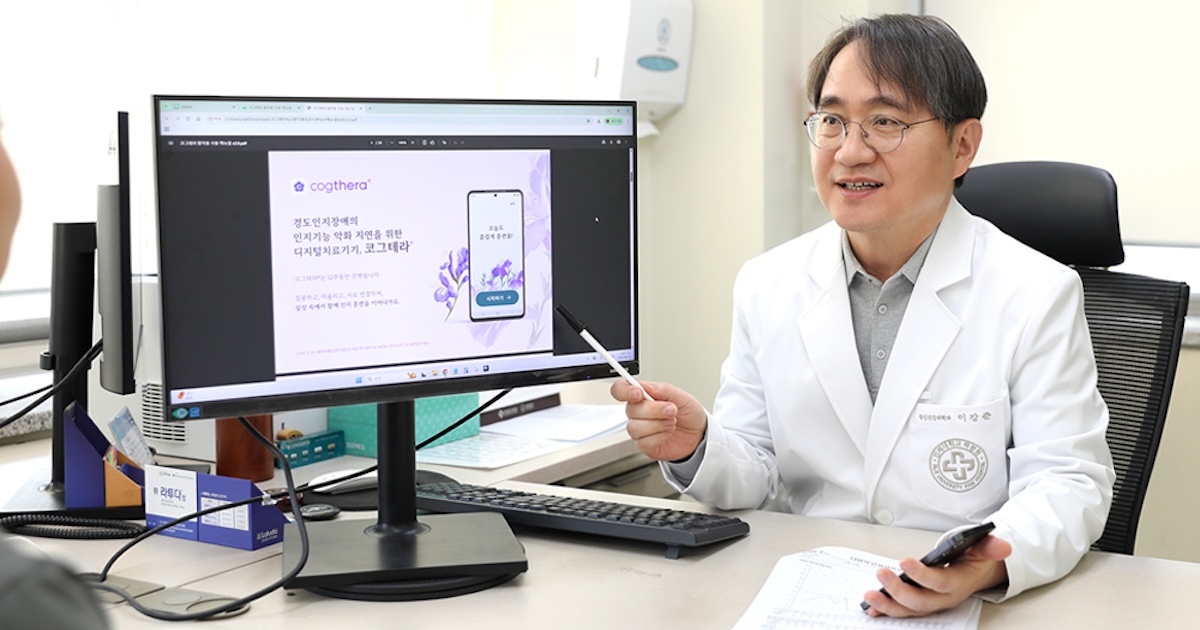
The South Korean government has approved a 940.8 billion won ($645 million) programme to develop next-generation medical devices.
The second phase of the Inter-Ministerial Advanced Medical Device R&D Project sets a target to develop six globally competitive medical devices and produce 13 essential technologies, with a focus on AI and robotics, in the next seven years.
This multi-ministry project builds on the achievements of the first phase, including the development of an AI-based ischemic stroke diagnosis assistance software.
South Korea expands digital health ties with Arab states
A vice minister of South Korea's Ministry of Health and Welfare recently met with health officials in Saudi Arabia and Qatar to advance cooperation in digital health.
In Saudi Arabia, discussions covering digital healthcare, HIS modernisation, robotic surgery, biohealth pharmaceuticals, and health insurance led to both sides agreeing to update their almost decade-old memorandum of understanding for healthcare cooperation.
In Doha, a joint steering committee set out a cooperation to develop advanced health technologies, including healthcare AI, smart hospital systems, and innovative therapeutics, along with provisions for clinical training, personnel exchanges, and a two-year working group to implement their plans.
First Pakistani medical school to adopt AI
Prime Institute of Health Sciences (PIHS), a higher health and medical education institution in Pakistan, is deploying AI platforms for teaching and training.
It will implement two AI platforms by California-based MindHYVE.ai – one for its classrooms and one for its affiliated hospitals in Islamabad.
According to a media release, the rollout introduces AI-powered adaptive learning tools across its campus and delivers predictive analytics, clinical decision support, and automated workflow optimisation to two PIHS-affiliated hospitals.
PIHS is among the first institutions in Pakistan to integrate AI across both clinical and academic settings, MindHYVE.ai said. In August, the AI company announced its partnership with two local academic institutions, the Institute of Contemporary Studies and the National Excellence Institute, to help deliver AI-driven nursing education. It is also currently preparing a pilot project with the Pakistan Nursing and Midwifery Council, a body that licenses nurses, midwives, lady health visitors, and nursing auxiliaries in the country.
KPJ to roll out encrypted messaging platform
KPJ Healthcare, one of Malaysia's biggest healthcare providers, is deploying an encrypted messaging platform across its 30 hospitals.
It is rolling out NetSfere's platform, which provides secure messaging, calls, and file sharing and hosts data on Amazon Web Services Malaysia. The messaging platform also features an AI assistant that allows users to access workflows and information safely in near real time.
The implementation follows pilots at three KPJ hospitals and supports the group's broader digital transformation.
Max Healthcare, Tata partner on genomic medicine
Max Healthcare and the Tata Institute for Genetics and Society (TIGS) in India have signed a memorandum of understanding to conduct genomics-led research and innovation.
Based on a media statement, the collaboration will focus on rare diseases, neonatal genomics, and personalised care supported by shared research platforms, training, and data exchange.