Patient Engagement

Workforce challenges, patient engagement efforts, ongoing interoperability hurdles and some big announcements from legacy EHR and Big Tech players were among the news and reports that captured the most attention this past year.

One person dies from suicide every 11 minutes in the U.S. A new study shows that telemedicine can be used to treat more severe mental illness – contrary to previous thought.

Understanding people's health engagement behaviors is key to pushing them to manage their own health, says Praveen Deorani, senior data scientist at the Singapore Ministry of Health's Office of Healthcare Transformation.

Grace Chang, cofounder and CEO of Kintsugi, explains how clinicians can identify signs of clinical depression and anxiety in everyday health conversations with the use of voice biomarker technology and machine learning assessments.

But "hard work continues, as we persist in pressing telehealth permanency and creating a lasting roadblock to the telehealth cliff," the group said.
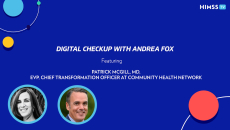
Community Health Network is tackling friction in care delivery and enhancing patient experience, says Dr. Patrick McGill, the health system's EVP and chief transformation officer.

A customer-centric approach to patient engagement, along with health plans' abundance of data, can help turn satisfaction insights into actionable workflows, says Enam Noor, CEO and founder of Insightin Health.

The Institute for Healthcare Improvement, the American Medical Association, Race Forward and several partners launched Rise to Health to transform healthcare with shared solutions and collective actions.

Looking ahead to 2023 and beyond, HIMSS Media editors dust off the crystal ball for a look into what's ahead for hospital bottom lines, technology investments, digital health funding and more.

The legislation would direct the Centers for Medicare and Medicaid Services to develop national guidance to cover prescription digital therapeutics under Medicaid and CHIP.