Data Warehousing
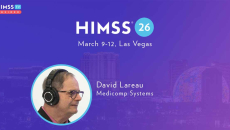
Medicomp Systems CEO David Lareau says varied data structures and coding systems make transforming the documentation ambient AI creates into usable data for clinical decision-making a challenge.

Agentic AI soon will be much more than preparing documentation, says Microsoft's Kenneth Harper. The technology will surface key data from captured patient-doctor conversations that can boost clinical decision making.
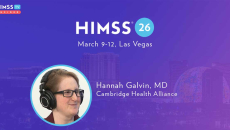
Data segmentation and computable consent help protect sensitive information while enabling more equitable interoperability, explains Cambridge Health Alliance's Dr. Hannah Galvin, a HIMSS26 Health Equity Changemaker Awardee.

The Korean hospital is the first in Asia-Pacific to be validated for the modernised AMAM.
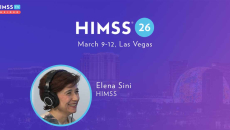
Nationwide coordination and European Commission funding are helping Italy to shift from fragmented regional healthcare to a single digitized strategy, says HIMSS Board Chair Elena Sini, group CIO at GVM Care and Research.
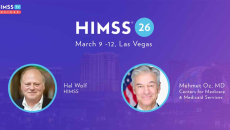
At HIMSS26, Dr. Mehmet Oz talked with HIMSS CEO Hal Wolf about tech advances at CMS, including using modern identity tools to help Medicare beneficiaries safely access and control their data across care settings.

Health systems evaluating AI must look beyond datasets and algorithms to understand the assumptions and priorities embedded within the applications themselves.

Rethinking how data is used is essential for health systems as they face workforce shortages and an aging population.

What makes the New Zealand case worth following is what the investigations are actually testing: Are health systems truly designed to protect highly sensitive information?
Memorial Sloan Kettering's enterprise architecture chief offers practical advice for getting ahold of this fast-growing challenge before it overwhelms storage and cost-management strategies.