Clinical

Also, Gold Coast Health is trying out an AI scribe to support clinical documentation.

Healthcare organizations interact with massive amounts of data, from protected health information (PHI) to sensitive financial information. This data is at risk of exposure through human error, internal leaks, or attacks by hackers.

Many healthcare organizations are struggling to keep up with changing patient expectations, rising costs, staff shortages and more. Although technology may seem like the obvious solution to these problems, providers must ensure that the tools they use enhance patient experiences while also driving efficiencies and improving the organization’s bottom line.
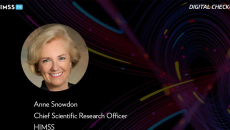
There's a direct link between achieving EMRAM Stage 6 or 7 and higher quality and safety results, explains Anne Snowdon, HIMSS Chief Scientific Research Officer after examining Leapfrog data from 2,000 U.S. hospitals.

The breakdown affected some 3,000 patients in a general hospital.

The company announced on Patch Tuesday that among 90 CVEs for August – including six zero-day exploits – the Azure Connected Machine Agent had a critical elevation of privilege vulnerability.
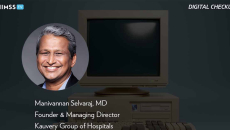
Undertaking the HIMSS assessments has been key in convincing clinicians at Kauvery Hospital to adopt digital technologies, says founder Dr Manivannan Selvaraj.

Peak body RACGP has recently released its guidance for adopting the technology.
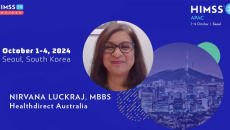
Abiding by clinical governance principles is key to the safe adoption of AI, according to Dr Nirvana Luckraj, CMO of Healthdirect Australia.
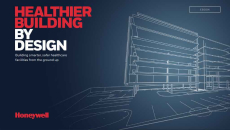
Modern healthcare facilities must be built with future patient and staff needs, as well as other factors like air quality and energy efficiency, in mind. Honeywell’s eBook explains how to construct new buildings in a way that maximizes operational efficiency, enhances patient and staff safety, and extends facilities’ longevity.