Clinical
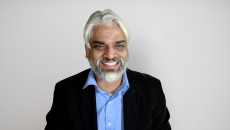
At Omaha-based CHI Health, a hybrid cloud platform supported stroke patient care after the worldwide IT disruption knocked out its electronic health records, says one neurologist who recounts the experience.
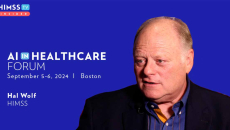
At a pivotal moment for artificial intelligence innovation, HIMSS Adoption Models can help healthcare organizations get onboard and scale up, says Hal Wolf, CEO of HIMSS.

Between healthcare chatbots, smart patient records, doctors armed with predictive analytics and frontline staff often interfacing electronically, patients want healthcare interactions and experiences to be transparent and personalized.
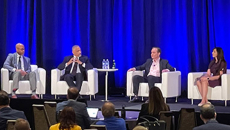
Artificial intelligence has the potential to expand a healthcare organization, reaching more patients and improving outcomes. But how can healthcare leaders help their clinical workforce understand the implications and ensure their buy-in?

At HIMSS24 APAC, Mayo Clinic data scientist Dr Alexander Ryu will share best practices in evaluating digital solutions, including AI, for potential integration into clinical practice.
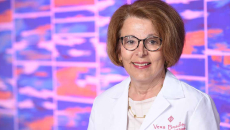
By year's end, staff expect to see a reduction in time spent on manual tasks and a reduction in duplicative research data generation leading to an overall reduction in ongoing operational costs.

The Advanced Research Projects Agency for Health says new funding to advance capabilities that detect and auto-correct misalignments with training data could help users of medical devices integrated with artificial intelligence ensure peak performance.
Digital health organizations can future-proof themselves to ensure longevity and relevance years into the future. Dr. Guido Giunti, adjunct professor of digital health at the University of Oulu in Finland, explains how.

Also: Pfizer says it is partnering with healthcare organizations to develop a new digital health platform that provides access to same-day care, prescriptions and vaccines for COVID-19 or the flu.
Northeast Georgia Health System has deployed real-time location service and internet of things technologies to help healthcare workers in trouble. Chris Paravate, the health system's CIO, explains.