 | October 1, 2025
| 9:30 AM
| October 1, 2025
| 9:30 AM

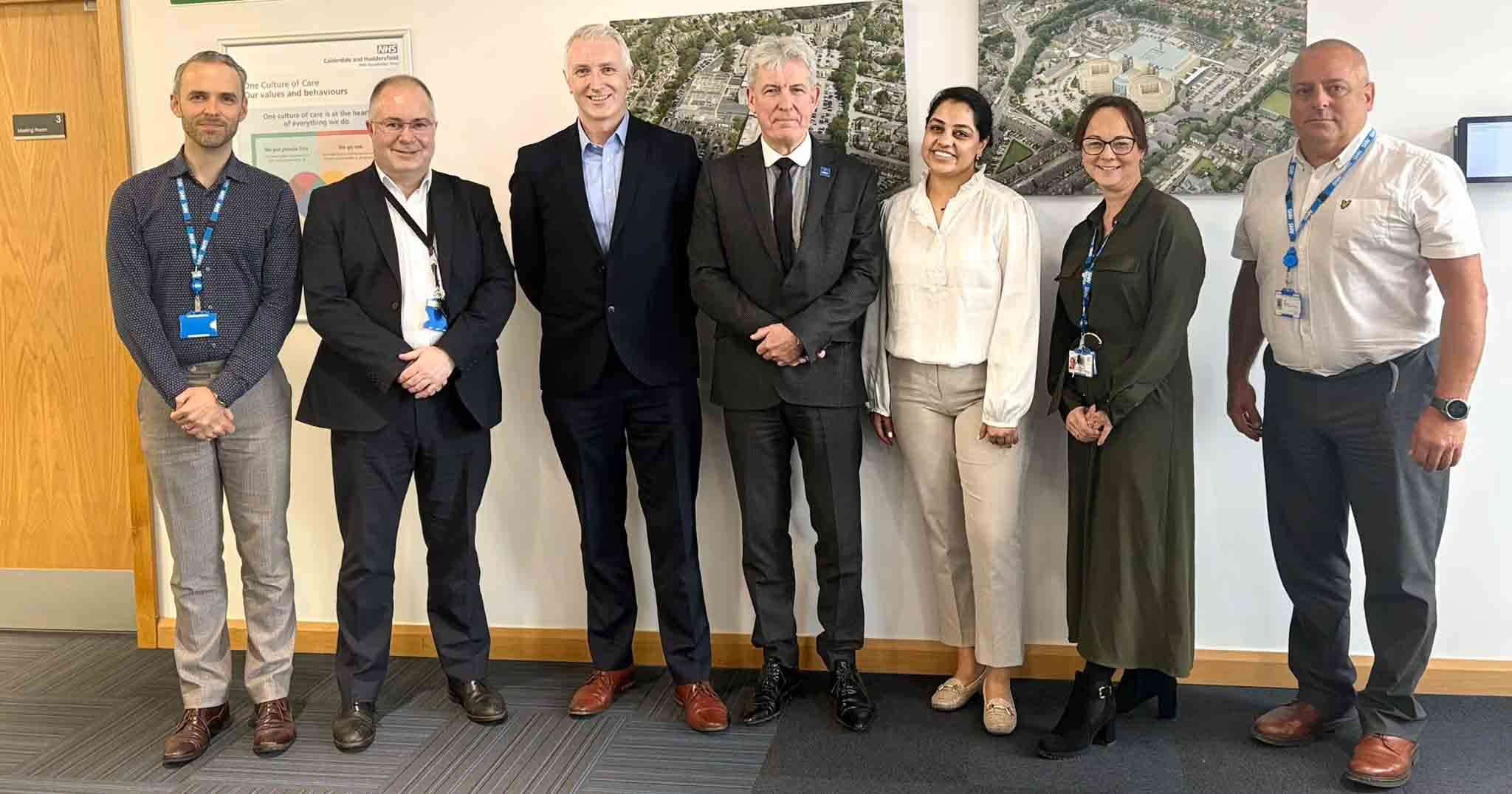
Photo: GE HealthCare
Three major innovation drivers emerged from the discussion: the importance of well-funded and supported research; the central role of digitalisation in transforming clinical care; and the high value of collaboration across clinical and operational teams.

“Innovation in healthcare is not just about technology – it’s about people,” said Prof Dr Goyen. “When we invest in research, embrace digitalisation, and foster collaboration across clinical and operational teams, we create the conditions for real transformation. These are the pillars that will support a future-ready healthcare system capable of meeting the needs of ageing populations and evolving workforces.”
Funding and research: the pillars of innovation
Innovation cannot thrive in isolation; it must be grounded in a strong research culture for the benefits to be realised on the clinical front line. According to NHS England, there is evidence that hospitals with higher research funding per bed tend to have lower-than-expected mortality rates: healthcare professionals in these environments use up-to-date, evidence-based practices and continuously strive to improve care.
But successful innovation also requires funding, which can come from external private or public sources, or through internal business models. In some cases, securing initial funding unlocks the project; in others, implementation begins with minimal resources, and additional funding follows only once the model proves viable. It also helps when a rapid return on investment (ROI) simplifies the business case for implementation – something demonstrated by many innovative projects such as workflow digitalisation.
Proving the value of digitalisation
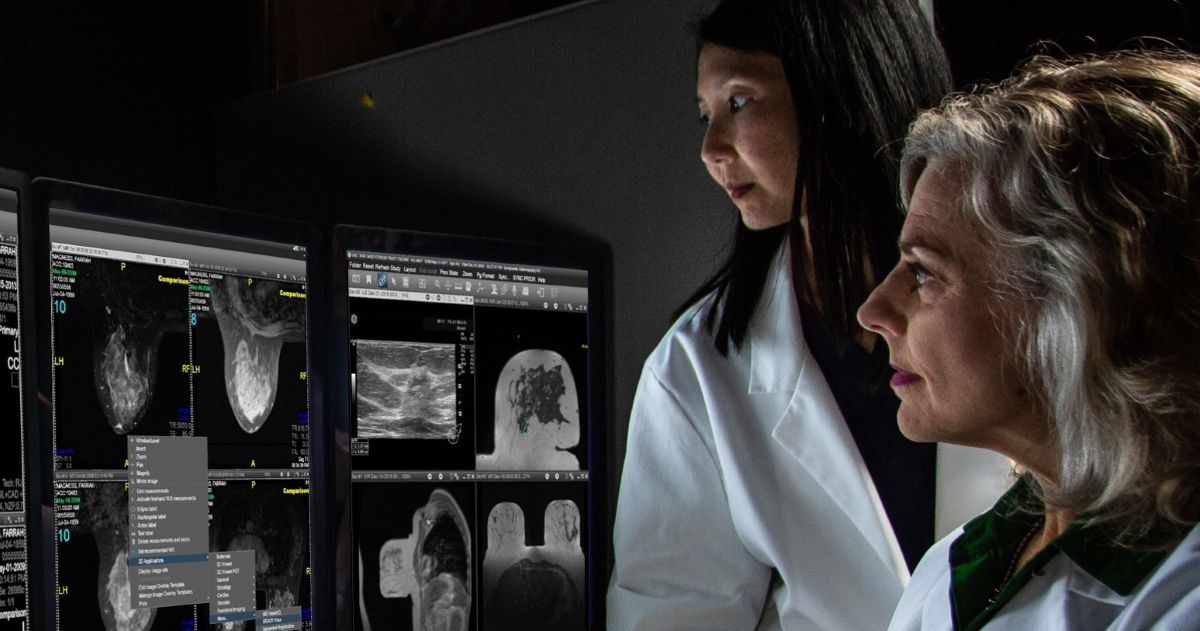
Digital histology is another good example of the benefits of innovation for healthcare environments. It replaces traditional histology, reliant on using microscopes to manually examine biopsies and surgical specimens mounted on glass slides, with whole slide scanners that create high resolution virtual images.
These can then be viewed, analysed and annotated directly on a computer via an image management system (IMS), enabling faster and more flexible diagnostics. An IMS acts as a digital workspace – displaying patient data, organ type, stain details and slide counts – and should be fully integrated with the laboratory information system (LIS) to support case assignment, prioritisation and collaboration between colleagues.
AI tools can also help to ease pressure on understaffed histology services labs by improving efficiency, standardising detection and supporting timely diagnoses. But successful adoption depends on user confidence and proof of the benefits.
Poor IT performance – such as long slide loading times or image quality issues – may cause histologists to revert to traditional methods. This highlights the need for early and continuous involvement of IT professionals to ensure that the IMS and LIS infrastructures support high resolution imaging, efficient data storage and seamless usability.
Collaboration drives real-world adoption
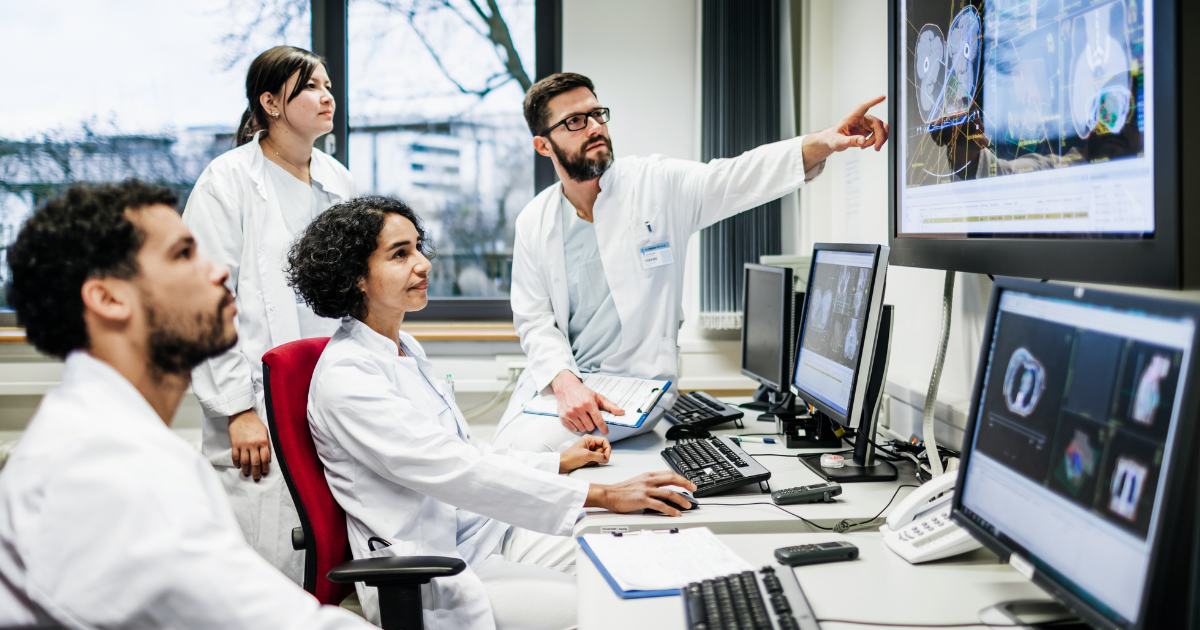
This reinforces the message that cross-functional teamwork, including non-clinical departments, is key to delivering effective and sustainable innovations in healthcare. Technological advances like digitalisation and AI can ease workloads, reduce administrative burdens and support clinical decision-making, but successful delivery relies on collaboration between clinical, technical and managerial teams from the outset. Non-clinical staff – particularly those in IT and technical roles – are vital for infrastructure planning, system integration and operational alignment. Their inputs are critical to creating robust, scalable systems, anticipating technical failures, and ensuring that tools operate reliably in real-world settings.
Ultimately, these digital innovations help to lay the groundwork for more streamlined, personalised and connected care – something that will only grow in importance as hospitals rise to the challenges posed by ageing populations and more streamlined workforces.