 | November 17, 2025
| 4:15 AM
| November 17, 2025
| 4:15 AM
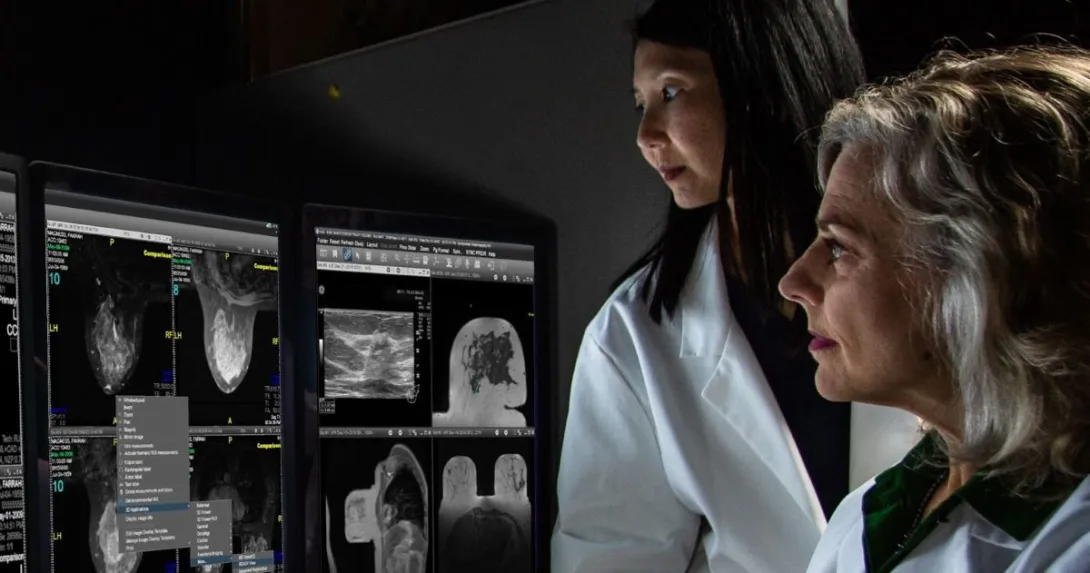
Photo: GE HealthCare
The webinar, Radiology Rewired: Optimising Workflows and Elevating Reporting, was led by GE HealthCare chief medical officer Prof Dr Mathias Goyen, in conversation with Rad AI’s director of clinical operations Dr Elizabeth Bergey and Prof Dr Wieland Sommer, founder and CEO of Jacobian (formerly Smart Reporting).
Radiology pivots under pressure
Introducing the webinar, Prof Dr Goyen said radiology is at “a pivotal moment”. The pressure on radiologists has never been greater, with rising demand, increasing complexity and a need for faster, more accurate insights.
While the demand for imaging is growing exponentially faster than the increase in the number of radiologists, the volume and complexity of imaging data have also increased. With modern scanners producing between 256 and 640 slices per rotation, a typical CT scan can comprise around 6000 images – compared with about 600 in 2010. This adds to the time and focus required for reporting, which is one of the most legally sensitive and cognitively demanding aspects of radiology.
These challenges are driving the need for smarter, digitally-enabled solutions that support accuracy and alleviate workloads with intelligent reporting. “But with challenge comes opportunity,” said Prof Dr Goyen. “[In this webinar] we explore how digital innovations are helping radiologists to not only keep pace but elevate the quality of their reporting.”
Digital reporting reshapes radiology
One way in which AI is helping to increase the pace and balance of radiology workflows is through the integration of large language models (LLMs) that streamline reporting and enhance the efficiency of diagnostics. AI offers intelligent support by automatically drafting structured reports, highlighting inconsistencies and assisting radiologists in case selection.
Ambient documentation – AI that acts as an intelligent transcriber – is another key tool for radiologists, generating structured, standardised notes dictated by the radiologist. This can help to reduce errors, enhance consistency and increase efficiency, substantially cutting turnaround times and improving clinical guideline adherence. In oncology, for example, AI-supported structured data captures tumour staging and other critical details accurately, strengthening clinical decision making.
AI optimises radiology workflow
AI’s role in optimising workflow distribution and resource allocation is also growing. Case selection tools can match the right radiologist to the right case, based on expertise, availability, speed of work and case complexity. As interoperability between reporting platforms, PACS and RIS systems improves, data can flow seamlessly between applications for automated report pre-population and greater workflow transparency. These systems complement clinical expertise, allowing radiologists to concentrate on accurate interpretation and patient-centred care.
Meanwhile, coded data is being used to support operational efficiency, clinical accuracy and research. It allows institutions to track key indicators such as the proportion of reports containing significant findings or adherence to diagnostic guidelines. This structured approach can aid quality assurance, national screening programmes and evidence-based improvements in care.
A data-enabled future for radiologists
For radiologists, embracing this digital shift means contributing to a more transparent, data-driven system in which quality and efficiency are improved, signalling a new age of AI-enhanced radiology.
In future, radiology will rely on AI more for triaging routine cases and streamlining workflows. This means we will probably see the radiologist’s role shift to focus more on data-driven insights, ensuring faster, smarter and more human-centred care. Ultimately, as the webinar participants concluded, these innovations will restore balance to the profession and strengthen its impact on patient outcomes.
###
Click here to watch the full GE HealthCare Aunt Minnie Radiology Rewired webinar.