Photo courtesy of the Hong Kong Chief Executive's Office
Hong Kong Chief Executive John Lee Ka-chiu has announced a series of digital health initiatives, including data standardisation, faster drug approvals, AI in cancer care, expanded telehealth, and cross-border electronic health record sharing.
In his fourth Policy Address, Lee said the city will standardise clinical data across the Guangdong-Hong Kong-Macao Greater Bay Area (GBA) and build a real-world data platform to help pharmaceutical companies bring new drugs to mainland China and global markets faster.
To speed access, the government will expedite the "+1 mechanism" for innovative drugs – requiring approval from a foreign regulator and review by a local expert – and pilot it for treatments for severe or rare diseases recommended by the Hospital Authority (HA).
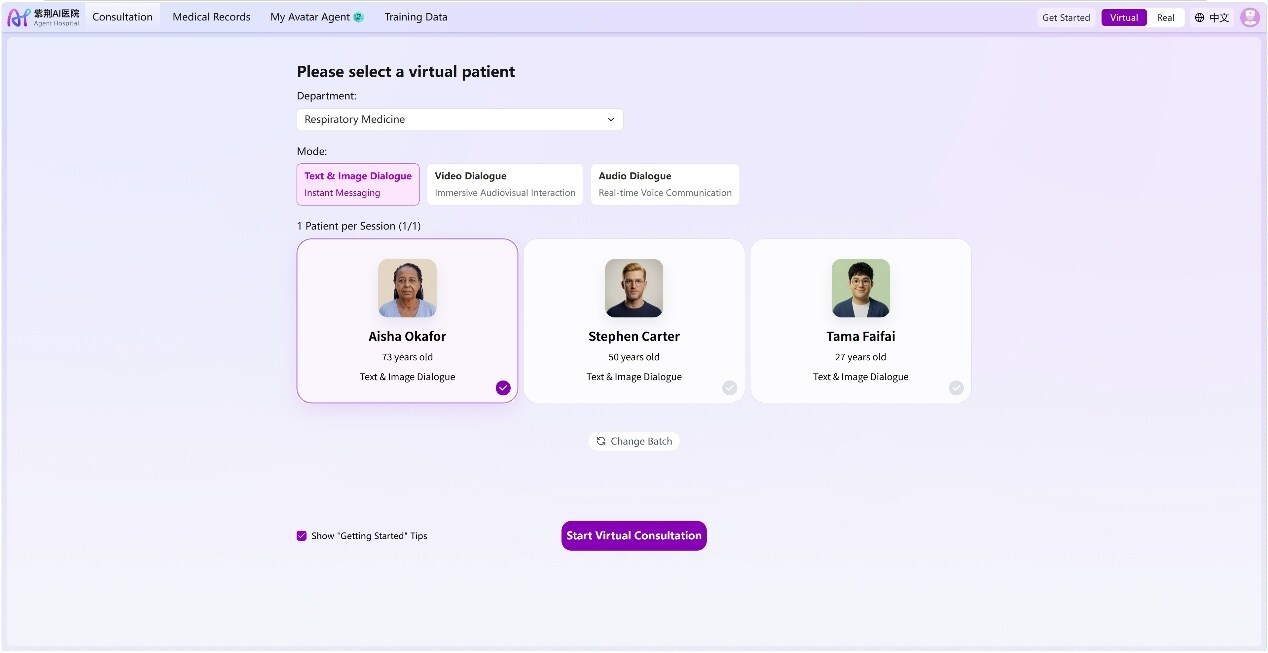
Hong Kong will also optimise services in cancer care. Local universities will be commissioned to test AI-assisted lung cancer screening, while the government will use cancer data and biological resources to accelerate oncology drug development. The city plans to fast-track the approval of anticancer drugs and related novel therapies through the +1 mechanism and equip the HA with additional medical equipment.
The HA is expected to open the Office for Introducing Innovative Drugs and Medical Devices, which will use big data analytics to identify clinical needs and evaluate the benefits of emerging treatments.
On the regulatory front, Lee announced plans to establish the Hong Kong Centre for Medical Products Regulation and submit proposed legislation to regulate medical devices next year. The government seeks to establish the centre, which it intends to be an internationally recognised medical products authority, "as soon as possible."
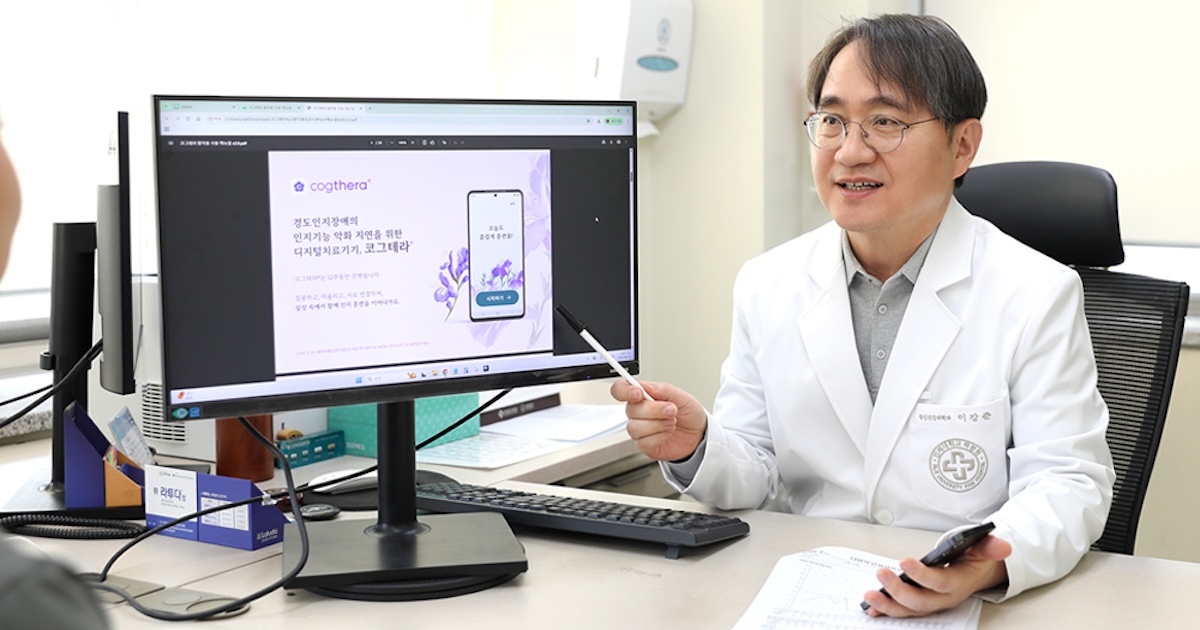
Aiming to enhance citizens’ mental health, the city will expand telehealth for psychiatric day hospitals and outreach services, and upgrade AI tools on online text counselling platforms to better identify high-risk individuals in need of support.
As part of promoting Chinese medicine, the city will enable the sharing of EHRs in Chinese medicine through the national EMR system, eHealth, and allow wider exchange of records between Chinese and Western medicine providers.
THE LARGER CONTEXT
Hong Kong has been pushing for greater hospital collaborations and the exchange of medical data for research in recent years.
In 2023, the HA and Hong Kong Science and Technology Parks Corporation launched a data collaboration lab providing access to a large clinical database for non-academic biomedical and healthcare R&D.
Last year, a 12-member digital health alliance was founded to lay down the foundation for seamless data exchange across the GBA. The GBA's medical data space was set up early this year to enable data exchange.
Currently, researchers from the University of Hong Kong are developing the Healthy GBA healthcare information platform to enhance the visibility and awareness of healthcare services in the region.