Photo: Recep Buyukguzel/Getty Images
With the national health crisis alert lifted, South Korea is rolling back temporary healthcare measures while pushing long-term reforms in telemedicine and emergency care.
The Korean government ended its 20-month-long "serious" medical crisis alert on 20 October.
It is now transitioning from temporary emergency measures to long-term institutional reforms:
- Emergency medical fee schedules are being standardised, ending temporary rates while retaining effective ones as regular fees.
- Key services such as nursing care support, remote care, and dedicated hospitalists are being formalised to strengthen resource management.
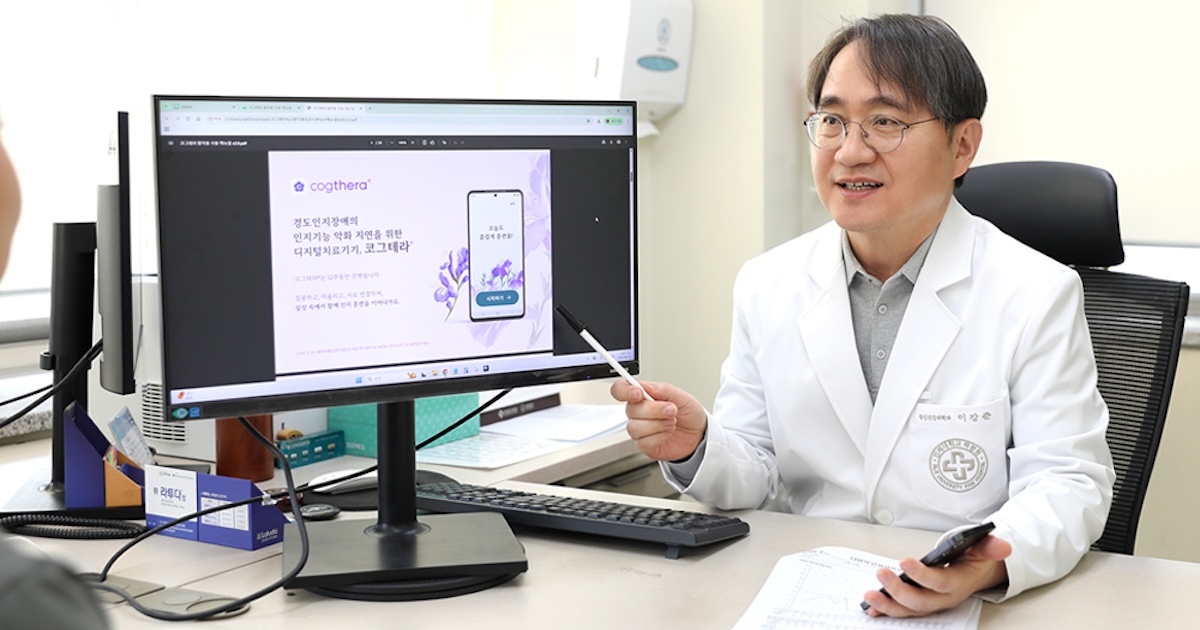
- Telemedicine rules are being tightened, withdrawing blanket permissions and reinstating regulated use – capped at 30% of consultations and limited to clinic-level care – with gradual revisions aligned to the pending Medical Service Act amendments.
- Broader healthcare reforms are continuing, including structural transformation of tertiary and secondary hospitals and refinement of regional public healthcare programs, to improve system efficiency and sustainability.
In a separate statement, the Ministry of Health and Welfare (MOHW) further explains the changes to the telemedicine rules effective 27 October.
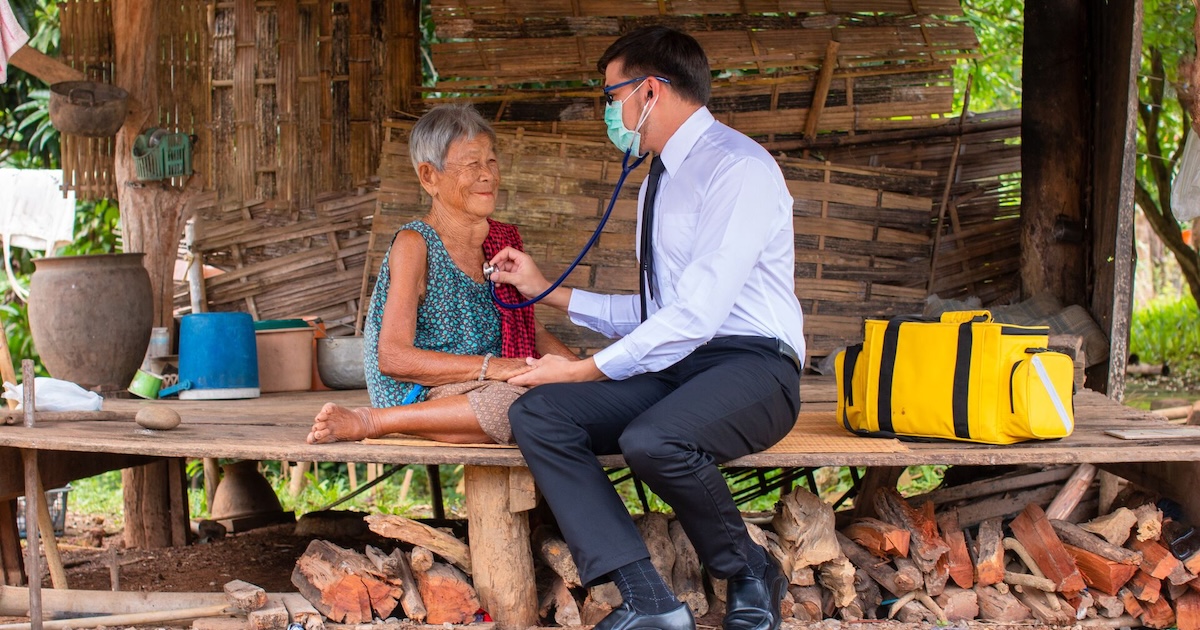
- Virtual care is now only allowed at clinics and similar institutions, with telemedicine restrictions reinstated for hospitals and higher-level facilities.
- A limit of 30% is now applied to the share of remote consultations within a medical institution’s total services to prevent the rise of fully specialised telemedicine centres.
- Patients with chronic conditions such as hypertension and diabetes continue to receive remote care only at clinics, while type 1 diabetes patients are now allowed access to teleconsultations from hospitals.
- The revised standards on eligible patients, including first-time and returning cases, will be gradually implemented in line with amendments to the Medical Service Act currently under review in the National Assembly.
A two-week guidance period will run until 9 November to help medical institutions adjust to these new rules.
WHY IT MATTERS
Though still not legally permitted, telemedicine in South Korea has continued to draw strong public demand through temporary authorisations.
Following the positive uptake of remote care during the pandemic, the MOHW began pursuing reforms to make telemedicine permanent. To sustain access, it launched a three-month nationwide pilot project in September 2023, which was later extended to February 2024.
After the lifting of the medical crisis alert that had temporarily allowed telemedicine, the MOHW is resuming its pilot project with revisions to "minimise inconvenience to the public," according to Second Vice Minister Lee Hyung-hoon.
THE LARGER CONTEXT
In February 2024, the Korean government raised the national emergency medical care system alert to "serious" following the mass resignations of junior doctors in protest against a previous plan to increase medical school admissions by 2,000 students annually.
When a new government administration was elected in June this year, it negotiated with the medical community, which led to residents starting to return from their leave. The MOHW noted that over 75% of students, or nearly 8,000, have returned to their training.