Photo courtesy of Sectra
Kameda Medical Center implements AI-driven digital pathology
Kameda Medical Center, a private medical group in Japan, has started implementing a digital pathology system as part of its transition to a new enterprise pathology platform.
According to a press release, its new AI-integrated system, provided by Swedish medical technology company Sectra, will digitise pathology workflows, allowing pathologists to review and collaborate on cases using digital images of tissue samples. It will provide remote access to digital images, reducing reliance on physical glass slides and microscope-only review.
The implementation follows a contract signed between Kameda and Sectra last year, and builds on the Japanese hospital's almost decade-long experience operating as a fully digital pathology laboratory.
Mandaya Royal Hospital Puri unveils kidney stone robot
Mandaya Royal Hospital Puri, a private hospital in Banten, Indonesia, has recently adopted an AI-driven robotic system for kidney stone surgery from South Korea.
The hospital imported Roen Surgical's Zamenix system – marking the first deployment in Indonesia – for kidney stone procedures. Mandaya surgeons have already conducted 23 demonstration procedures using the robotic system.
It also signed an agreement with the South Korean robot maker to serve as the official training centre in the country, providing doctor training, real-time technical support, and joint clinical and research activities using Zamenix. Mandaya Royal Puri is also expected to support the wider rollout of the robotic system across Indonesia.
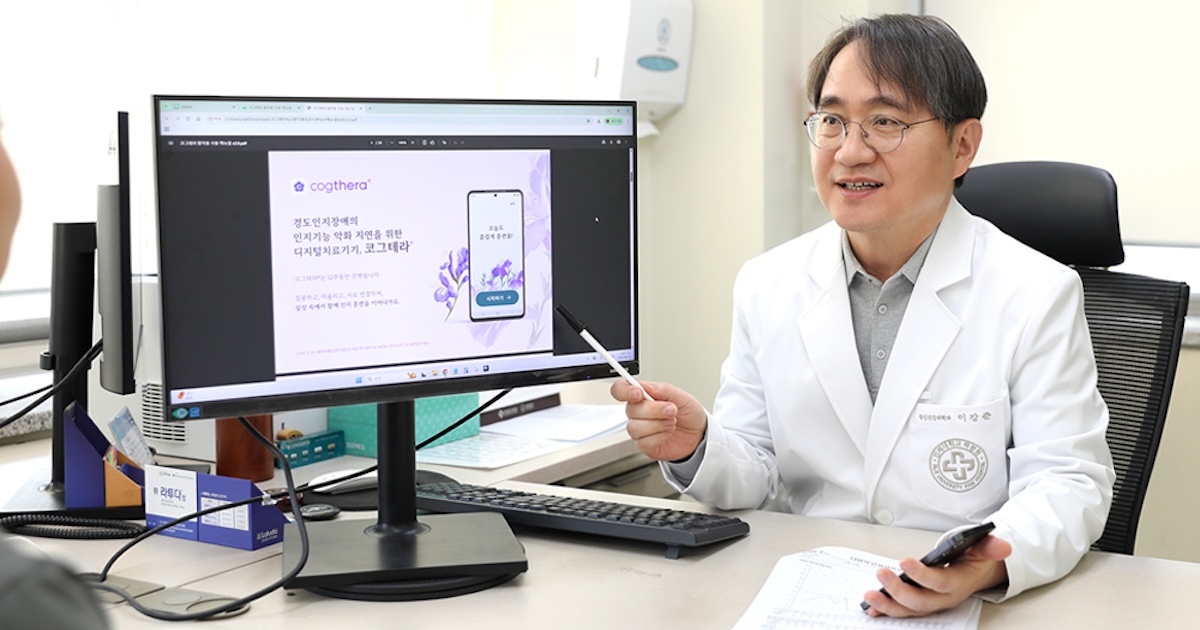
Korea Eisai deploys dementia AI across screening network
Korea Eisai, the subsidiary of Japanese pharmaceutical giant Eisai Co., is rolling out AI-based dementia screening and diagnosis services across its network of partner hospitals and health screening centres.
It signed a deal with Neurophet, a Korean developer of AI-powered brain imaging analysis software, to introduce and market Neurophet AQUA, which is used to analyse degeneration in brain scans and support the diagnosis of dementia.
The deployment builds on Korea Eisai's introduction of the Alzheimer's drug lecanemab in South Korea in late 2024 and positions AI-supported screening as a complementary service within its screening network.
Max Healthcare enables Google appointment booking
Max Healthcare, a major private hospital chain in India, has partnered with Google to allow patients to book hospital appointments directly via Google Search and Google Maps across its facilities nationwide.
Under the integration, users searching for Max hospitals, doctors, or medical specialties will see an online booking option that redirects to Max Healthcare's official booking platform using Google's Appointments Redirect capability. This, according to Max Healthcare, reduces steps in the booking process and ensures verified information. Max Healthcare operates over 20 hospitals across the country and employs at least 1,500 doctors in Delhi alone.