Photo courtesy of SingHealth
Singapore's upcoming Eastern General and Community Hospitals will extend care beyond wards through virtual services under a new smart hospital roadmap integrating AI, automation, and digital infrastructure.
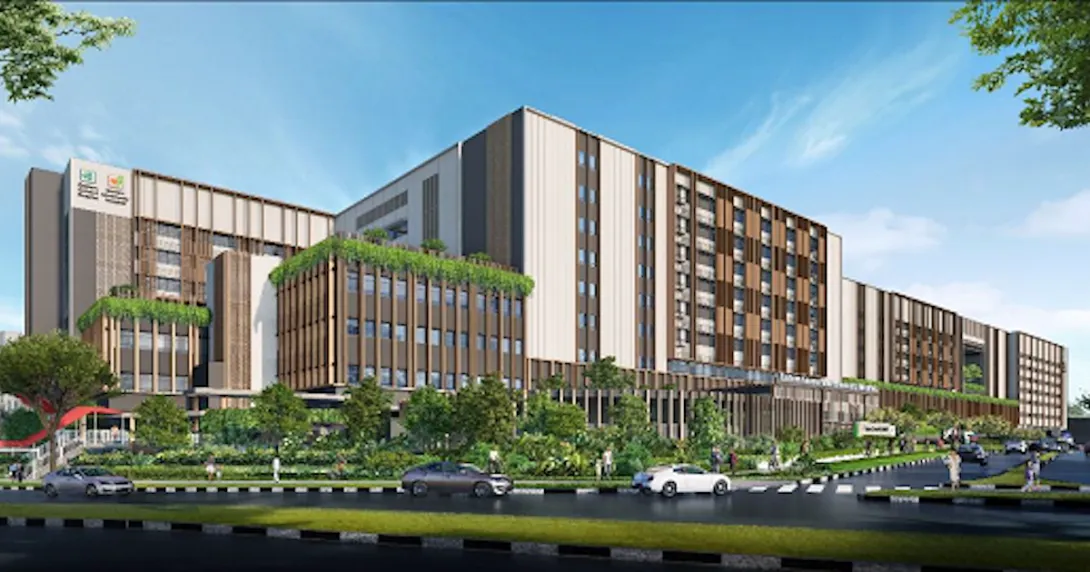
The EGH Smart Hospital Roadmap outlines how the upcoming campus in eastern Singapore will "thoughtfully" integrate technology and digital innovation.
WHAT IT'S ABOUT
Based on a media release, it comprises three pillars:
- Smart care: focuses on technology that supports clinical decisions, enables timely clinical interventions, and delivers more personalised care.
- Smart operations: aims to streamline processes, optimise resources, and extend workforce capacity through digitalisation, robotics, automation, and AI.
- Smart infrastructure: involves building digitally enabled physical environments and technological systems with smart, sustainable features such as real-time location systems and flexible room designs.
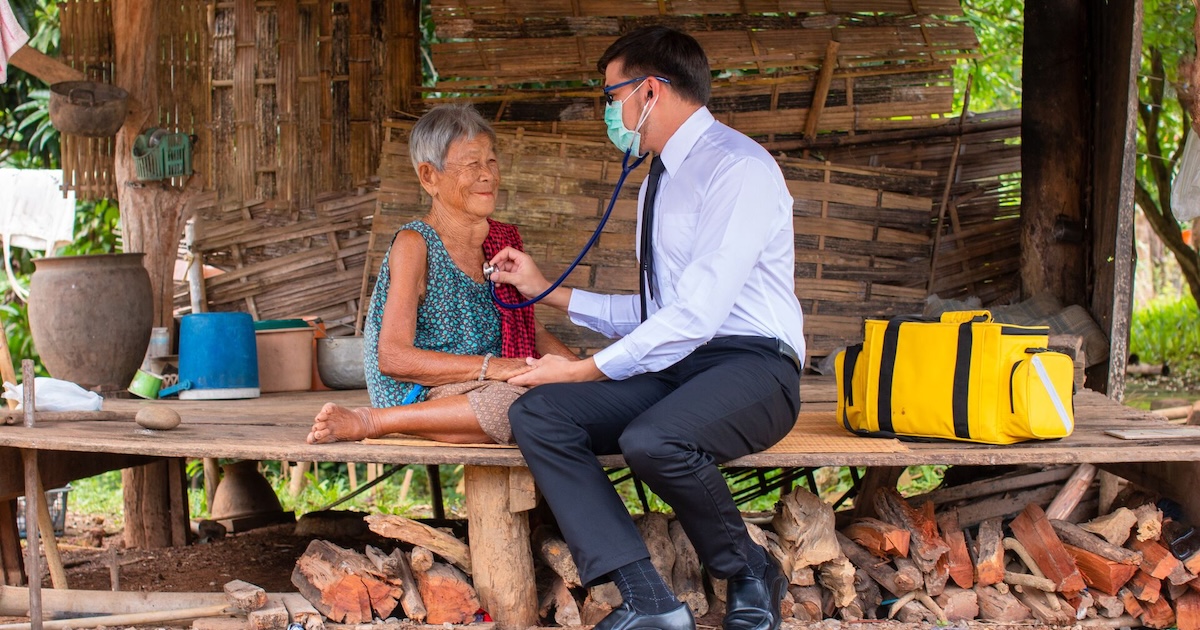
A key priority under the smart care pillar is delivering virtual services ahead of the medical campus's official opening in 2029. It is already serving patients through SingHealth@Home, augmenting Changi General Hospital's virtual care capacity.
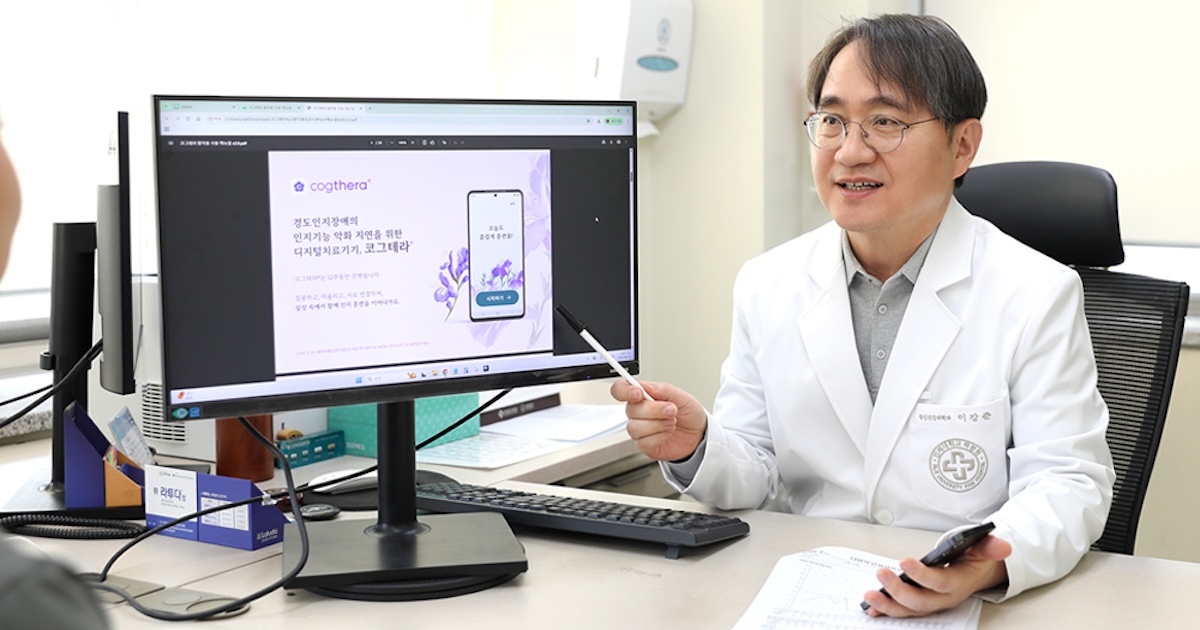
EGH specialists are also conducting virtual consultations with primary care doctors to support care planning and clinical decision-making for complex cases in the community. These services currently cover cardiology, gastroenterology, endocrinology, renal medicine, and respiratory medicine.
EGH is also collaborating with community-based elderly care provider Vanguard Healthcare on a telehealth pilot, where its specialists advise Vanguard's care teams across five nursing homes.
It was also mentioned that EGH is developing a programmable smartwatch to support remote monitoring of patients undergoing home-based prehabilitation and rehabilitation programmes.
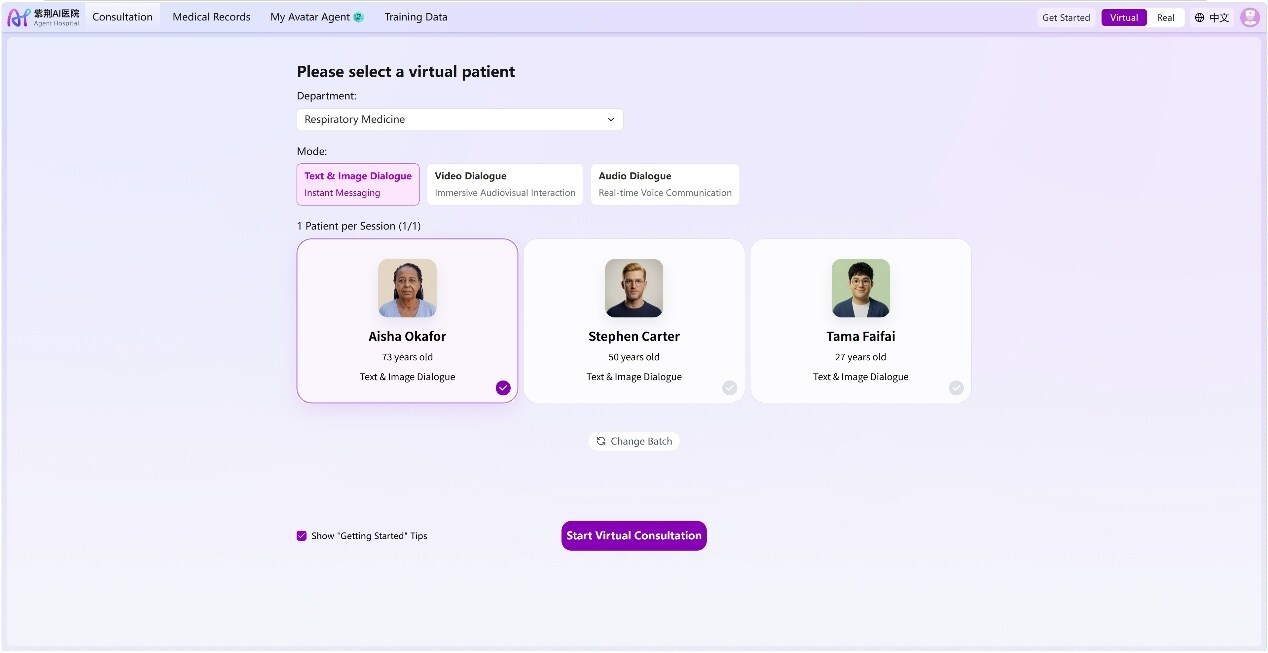
Under the smart operations pillar, EGH is developing an AI-powered referral system to support patient transfers between settings within its campus. The system evaluates patients' medical eligibility and recommends appropriate transfers, reducing manual assessments and potentially saving more than 170 man-hours per month.
Meanwhile, under the smart infrastructure pillar, EGH is working with Mandai X, the venture building arm of the Mandai Wildlife Group, to create hybrid physical and digital healing nodes and therapeutic spaces across the campus. These spaces aim to support mood regulation and psychosocial recovery through a mix of real and digital greenery, fauna, and nature soundscapes.
WHY IT MATTERS
Tan Kiat How, a senior minister of the Ministry of Health, said in his recent statement that the upcoming EGH campus will be "a much-welcomed addition" to Singapore's health system as it addresses the needs of a super-aged society. The country's senior population is projected to make up one in four residents by the end of the decade, up from 21% currently.
"While hospitals play a critical role in providing care to our residents, we must shift the emphasis from acute or episodic treatment to also invest in well-coordinated care in the community. This includes helping older residents manage long-term conditions, supporting them through recovery and rehabilitation, and building strong community support networks," he emphasised.
ON THE RECORD
"Smart clinical systems will drive care beyond reactive [towards] predictive, personalised and continuous. Smart operational and infrastructural systems free clinicians to focus on what matters most – dignity, compassion, and human connection," EGH pro tem CEO and associate professor Gan Wee Hoe was quoted as saying in a statement.