Search

The aim is to find new uses of real-world data in AI development, and to help health systems move from fragmented, compliance-heavy processes toward the creation of ethical, scalable innovation pipelines, a UPMC expert explains.

With the retirement of Ann Mond Johnson, the ATA's board has promoted Senior VP for Public Policy Kyle Zebley to lead the telehealth organization. He will stay on as executive director of lobbying arm ATA Action.

The Digital Medicine Society said its three-part artificial intelligence guide for hospitals and health systems is designed to help with planning, sourcing and scaling health AI technologies to protect resources and deliver system-level ROI.
Success Stories & ROI
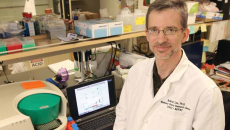
This precision medicine approach, driven by granular, real-world evidence, is critical for reshaping clinical guidelines and driving more personalized, less invasive oncology care, says Dr. Adrian Lee.

The merger of American Telemedicine Association's advocacy arm with DTA will create the Advancing Digital Health Coalition, a combined policy and advocacy platform focused on advancing new technologies with the potential to transform patient care.

Intermountain, Mayo Clinic, MedStar, Ochsner, Stanford Health and UPMC are among the organizations taking part in the initiative, focused on innovating integration of virtual care pathways.

UPMC Enterprises and Vanderbilt Health will accelerate the consortium's pipeline of companies launching in the coming year, Aegis says.

The CEO of a telehealth services provider explains why patients being seen remotely by physicians first can also help with accessibility, data integrity and consistency.

Both electronic health record vendors have made open API code available to their health system clients that enables them to coordinate with the VA when treating veterans who have sought care at community providers.

The new Hospital AI Readiness Index from CB Insights assessed 25 health systems for how they're innovating and executing on their artificial intelligence projects.