Women In Health IT

Anna Basevich, SVP at Arcadia, says the new Investments in workforce and integrated technologies can help strengthen and expand care in rural areas.

According to Pilar Fernandez Hermida of i-Expand, startup founders wanting backing from family offices must court, not pitch, since these investors rely on trust, due diligence and expert guidance to decide which companies to fund.

Leila Taghizadeh of Allianz recommends that healthcare leaders establish strong frameworks before using AI to help prevent data poisoning attacks, as well as hallucinations that can impact patient care.

With artificial intelligence, reduced burdens and faster clinical decisions can translate to better outcomes. However, the challenge for providers is in connecting those dots, says Sandra Johnson, senior vice president at CliniComp.

Pinkey Patel, CEO and founder of Myri Health, says she created Myri as a postpartum app after a frustrating birth experience but expanded it to connect women and providers during preconception, perimenopause and menopause.

The company closed after failing to secure additional investment due to regulatory uncertainty and delayed action on extending the Acute Hospital Care at Home Waiver Program.

Executives say they’re underprepared for challenges ranging from AI to cost containment.

The Digital Medicine Society project is designed to support aging in place with digital health tools and reimbursement of remote patient monitoring as Medicare and commercial coverage rules evolve, says CEO Jennifer Goldsack.

Brandi Clark, vice president, digital care, OSF OnCall, at Illinois health system OSF HealthCare, offers predictions on telemedicine and remote patient monitoring technologies and reimbursement for the year ahead.
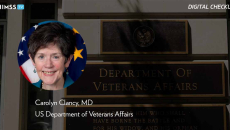
Dr. Carolyn Clancy, assistant under secretary at the U.S. Department of Veterans Affairs, discusses AI innovation in care delivery, tackling medication visibility, cross-utilizing imaging, reducing burdens and how the tech sector can collaborate.