Quality and Safety
Hahn previously served as the chief medical executive at MD Anderson Cancer Center in Houston, a post he has held since 2018.
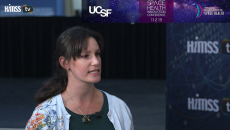
Drew Glaser, postdoctoral fellow at the University of California, Davis, discusses her research using microfluidics technology to simulate conditions that occur in space.
During its two years of implementation at the Parkland Center for Clinical Innovation, the PARADE technology has screened more than 87,000 patients, with 8,731 high-risk patients identified.

Jörg Studzinski, with HIMSS Analytics, and Jochen Messemer, with McKinsey & Company, discuss HIMSS European eHealth Survey findings, which include telemedicine's growing importance and why the Nordics and Dutch are digital health role models.
Innovation
As the role of the CISO evolves, so too does the threat landscape, the infrastructure that needs safeguarding and the policy imperatives shaping the mission of data protection.
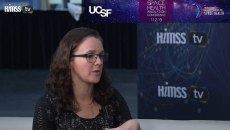
Zelia Worman, support scientist at the Translational Research Institute for Space Health, shares how the science community evaluates the risks of space travel.

Dr. Nathalie Bloch, head of the innovation center for digital health at Sheba Medical Center, talks about partnering with startups and established companies to create the right infrastructure to implement technology solutions.
The aim is to help Omnicell client healthcare organizations gain better visibility of controlled substances across the pharmacy supply chain.
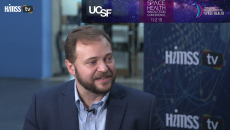
Space health helps bring cutting-edge technologies down to Earth, says James Hury, deputy director and chief innovation officer at the Translational Research Institute for Space Health.

Focusing on the health of humans leaving the planet pushes our current capabilities, says Dr. Dan Lowenstein, executive vice chancellor and provost at UCSF.