Precision Medicine
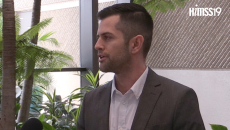
Andrew Rebhan, consultant at The Advisory Board, discusses new advances in "digital frontiers" such as artificial intelligence, internet of things, 3D printing, augmented reality and more.
Delivered by UNSW's Entrepreneurship Unit, the 20-week programme will include five health startups providing products and services focused on chronic diseases.
SNUH serves more than 8,000 cancer patients per year across 16 cancer specialty centres, 10 multidisciplinary cancer treatment centres, and a cancer clinical trials centre.
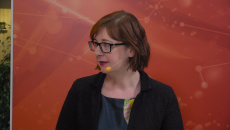
Kate Birch, head of data and technology at Melbourne Genomic Health Alliance in Australia, discusses how rare conditions are being identified and successfully treated through pediatric gene testing.
Workforce Development
Finding the best care for a patient can be a constantly moving target.
Garvan Institute of Medical Research scientists hope the method, called RAGE-seq, could have powerful applications for precision medicine.
Innovation
Researchers are working with digital therapeutics specialist Biofourmis, using machine learning technology and the Apple Watch to analyze dozens of physiology biomarkers.
Workforce Development
The 10-year initiative will focus on workforce development, education and training for next-generation care delivery.
A multi-year agreement with the machine learning company will start with a tool to identify high-risk GI patients, eventially expanding to other high-burden diseases.
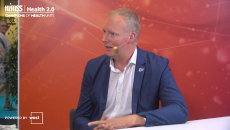
Nearly 20% of Estonia's citizens are gene donors, which is useful when it comes to implementing precision medicine, says Kalle Killar, deputy secretary general at the Ministry of Social Affairs.