Precision Medicine
HIMSS23 APAC
Digital twin technology has been enabling organisations' shift to precision and preventive medicine.

They aim to use digital twins to detect and prevent mental disorders.

As it works to safeguard existing cybersecurity protocols from easy decryption by a future quantum computer, the agency is requesting feedback on standards for three algorithms designed to withstand quantum-powered cyberattacks.

SPONSORED
 |
04:36 am |
August 29, 2023
|
04:36 am |
August 29, 2023
|
04:36 am |
August 29, 2023
The cloud has been pivotal in improving health system efficiency and speeding up innovation over recent years, but its benefits remain enigmatic to those outside of the tech sphere. A new report aims to shed light on this revolutionary technology.

Dr. Adrienne Boissy, Qualtrics' chief medical officer and staff neurologist at the Cleveland Clinic, explains that, because consumers are making value-based decisions and care about privacy, they should be codesigning healthcare AI.

The virtual models will help researchers develop more personalized treatment plans, predict health outcomes, monitor chronic conditions and streamline drug development, a new report shows.
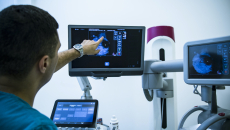
The new U.S. study also found a combination of machine learning and AI-powered image analysis could advance mammography screening, improve the efficacy of radiology workflows and position more women at high risk to achieve earlier detection.

Improved drug discovery and innovations in personalized treatments are among the goals for the new Target and Lead Identification Suite and Multiomics Suite.

The new functionalities allow customers to integrate existing processing pipelines so they can quickly build applications and scale up robust genomic analyses and secondary analyses.

J29 supports the "HIMSS Gives Back" initiative and has public and private partnerships central to its mission. J29 president and founder Tracy Mills and VP of HHS Programs Nick Vass offer a deep dive.