Interoperability

SPONSORED
 |
10:46 am |
February 27, 2024
|
10:46 am |
February 27, 2024
|
10:46 am |
February 27, 2024
Digital transformation in healthcare requires more than the latest medical technology; to mitigate risks — and reduce clinical burnout — hospitals also need connectivity and interoperability.

SPONSORED
 |
05:02 pm |
February 26, 2024
|
05:02 pm |
February 26, 2024
|
05:02 pm |
February 26, 2024
In this webinar, we'll talk with IT and imaging leaders about the ways they're shifting their approaches to enterprise imaging and applying change management strategies to their people processes and technologies – all with the goals of overcoming the workforce shortage and resource and cost challenges that have often hindered efforts to deliver better quality care, with a more patient-centric approach for imaging and decision support.

SPONSORED
 |
04:53 pm |
February 26, 2024
|
04:53 pm |
February 26, 2024
|
04:53 pm |
February 26, 2024
What did 115 health leaders share in the latest HIMSS Market Insight? What strategies have they deployed or are they planning to deploy to improve patient outcomes, optimize clinical workflow and enhance performance? Join us for a briefing to support your connected care and interoperability strategies.

Together with Telstra Health, it will support the mandatory sharing of key health information across Australian care settings following FHIR standards.
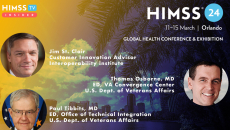
Interoperability Institute's Jim St. Clair and the VA's Thomas Osborne and Dr. Paul Tibbits say digital representations in healthcare research are evolving rapidly. They'll have updates on modeling at the personal and enterprise levels at HIMSS24.
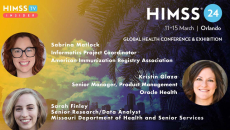
To improve vaccine data transfer, public health partnerships are critical, say Sabrina Matlock from the American Immunization Registry Association, Sarah Finley of the Missouri Department of Health and Senior Services, and Kristin Glaza of Oracle Health.

Te Whatu Ora recently disclosed the state of the health system's digital assets to the new Health Minister.

Three draft publications address pharmacy-related patient safety issues and continued challenges with appointment scheduling in the Oracle Health electronic health record, says David Case, OIG deputy inspector general.

The agency's national survey of digital health companies shows that 73% use standards-based application programming interfaces when they are integrating with electronic health records, with a majority using the FHIR standard.