HIMSS26
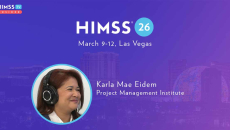
Karla Mae Eidem of the Project Management Institute says while agentic AI can surface key insights from troves of data, project professionals have the skills to provide the structure and clarity teams need.
Attendees offer their advice on how to make the most of the HIMSS Global Conference and highlight their favorite activities and speakers. They also discuss their interests in and concerns about healthcare AI.
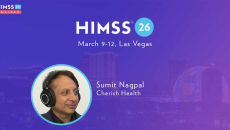
Sumit Nagpal, Cherish CEO, explains how a passive AI-powered device monitors patients' health at home and can trigger earlier interventions to avoid emergency room visits and reduce the cost of care.
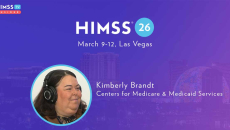
The CMS Comprehensive Regulations to Uncover Suspicious Healthcare fraud-fighting initiative invites the public to submit ideas on how to improve the agency's efforts. CMS COO Kimberly Brandt explains.
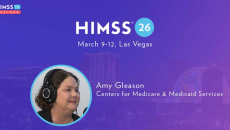
The CMS Health Technology Ecosystem will provide a single patient access point powered by modern identity systems, says Amy Gleason of U.S. DOGE Service and CMS. This will replace portal logins and enable seamless data sharing.
Attendees discuss how they're forming bonds and renewing friendships on the HIMSS26 exhibit floor, as well as learning from speakers and enjoying networking events when the day is done.
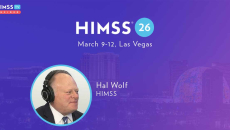
As home-based care and digital tools gain momentum, aided by CMS' interest in remote monitoring, Hal Wolf says healthcare will increasingly meet patients where they are, rather than depend on in-office visits.

Most providers say having the majority of their payers support the Prior Authorization API requirements is extremely important.
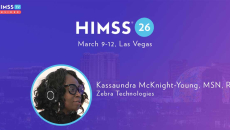
Involvement with the HIMSS Foundation has helped Zebra Technologies CNIO Kassaundra McKnight-Young improve her efforts to develop technologies that give clinicians more time for direct patient care, she says.
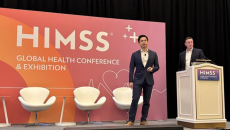
Health systems can transition from small-scale artificial intelligence pilots to high-speed, validated rollouts that meaningfully improve patient outcomes by maintaining three key guardrails, according to presenters at HIMSS26.