Decision Support

That said, despite its current limitations – it will never replace "empathy, listening, respect, personal preference" – it's clear artificial intelligence is leading to fundamental changes in care delivery, says the IT innovator, who predicts "doctors and nurses who use AI will replace doctors and nurses who don't."

Browse through the very latest case study stories from Healthcare IT News, stories that show how provider organizations are putting all kinds of technologies to use – and achieving significant results.

The cofounder and CEO of Virtuleap describes the company's gamified neuropsychological assessment tool and discusses the company's partnership with Roche to create a VR-based approach to cognitive screening.

It will be initially deployed at Subang Jaya Medical Centre and Bukit Tinggi Medical Centre.
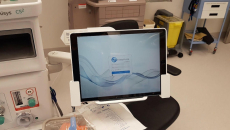
Also, WA Health has started expanding its remote monitoring technology to regional communities.

They're aiming to help ambulatory providers gain insights with help from artificial intelligence, and can surface key information to help develop plans of care based on recommended diagnoses, patient insurance and other information.
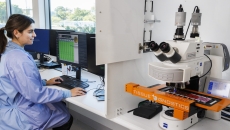
It also made doing pathology possible during surgery.

Health systems able to offer this will not only be better positioned to survive external pressures, says one artificial intelligence expert, but will also help set the bar for critical best practices for future patient-provider relationships.

The prospect of LLMs filling gaps in data and generating insights based on what's missing has huge potential, says Payel Das, principal research staff member and manager in the Trusted AI department of IBM.

The integrated solution shifts from a symptom-based approach to an AI-powered, data-driven approach.