Data Warehousing

Donna M. Roach, CIO at University of Utah Health, offers lessons for better health information management in her upcoming HIMSS22 education session.

The organization's Emergency Preparedness Information Workgroup convened multiple times over the course of several months to analyze gaps in current strategies to address the COVID-19 pandemic.

The Centers for Disease Control and Prevention used electronic health record and health information exchange data from the 10-state VISION Network.
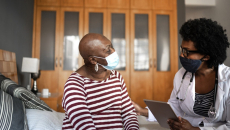
A policy brief from the World Health Organization offers strategies for combating ageism and bias in machine learning technologies.
According to reporting from Politico, a task force of federal government scientists and data specialists are working with hospitals to improve COVID-19 data collection.

A new study found that some COVID-19 patients were diagnosed with shortness of breath, Type 2 diabetes and fatigue weeks after their initial infection.

Michael Simon, director of data science at Arcadia, and Dr. Brett Giroir, former assistant secretary for health, discuss the role health IT can play in researching lingering COVID-19 symptoms.

As risk levels increase, health systems have "significant challenges to overcome," according to the 13th annual report – including suboptimal security spending, vulnerable legacy tech and weak-link human factors.
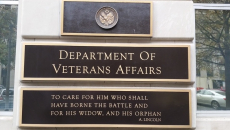
The U.S. Government Accountability Office found that clinicians faced challenges regarding the accuracy, accessibility and appropriateness of patient information.
The U.S. Government Accountability Office drew particular attention to the "incomplete and inconsistent" public health data federal agencies have relied on during COVID-19.