Artificial Intelligence

Clinical evidence is always evolving, but traditional clinical process map development and EHR build cycles often take months. In his upcoming HIMSS26 session, one informatics leader will show how to safely speed development to deliver evidence-based care at scale.

Chief technology officers, at vendors and providers alike, should stay close to the builders and end users, work with technologists and "productists" to share outcomes, and know when not to build, one telehealth CTO says.

With the program, the first of its kind, patients with chronic conditions can obtain legally authorized, automated prescription refills for pharmacists to process.

APAC healthcare leaders share how they expect AI in healthcare to evolve in 2026, from governance and clinical adoption to real-world impact on patients and health systems.

The region's healthcare leaders outline the key digital health and AI trends they expect will shape clinical care, data use, and innovation in the new year.

New research explores how artificial intelligence foundation models trained on electronic health record data can be tested to prevent threats to patient privacy and protect against re-identification of ePHI by threat actors.

While he stresses that AI won't replace doctors, surgeon and futurist Dr. Shafi Ahmed says it is already being used for imaging, documentation, digital surgery and agentic assistants to help build future-ready health systems.

AI & ML Intelligence
Unlike claims or EHR data, diagnostics reveal what's occurring biologically in real time – often before symptoms emerge. Especially when combined with AI, it can support smarter treatment decisions, one CEO says.
HIMSS26
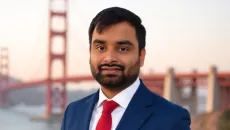
Ahead of HIMSS26, Sairohith Thummarakoti of Texas A&M University–Kingsville previews his talk on how agentic AI and low-code platforms can automate routine claims and prior authorization workflows.

Responding to the Trump administration executive order that aims to supersede several state laws already setting safety guardrails, many vendors say that a unified approach is preferable to a "patchwork of conflicting policies."