 | April 27, 2026
| 9:15 AM
| April 27, 2026
| 9:15 AM
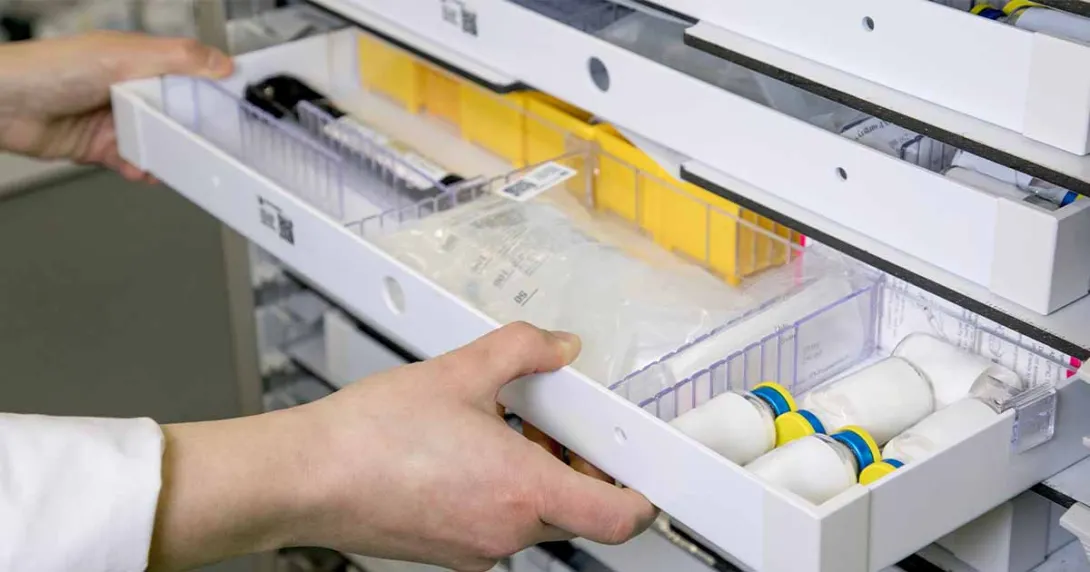
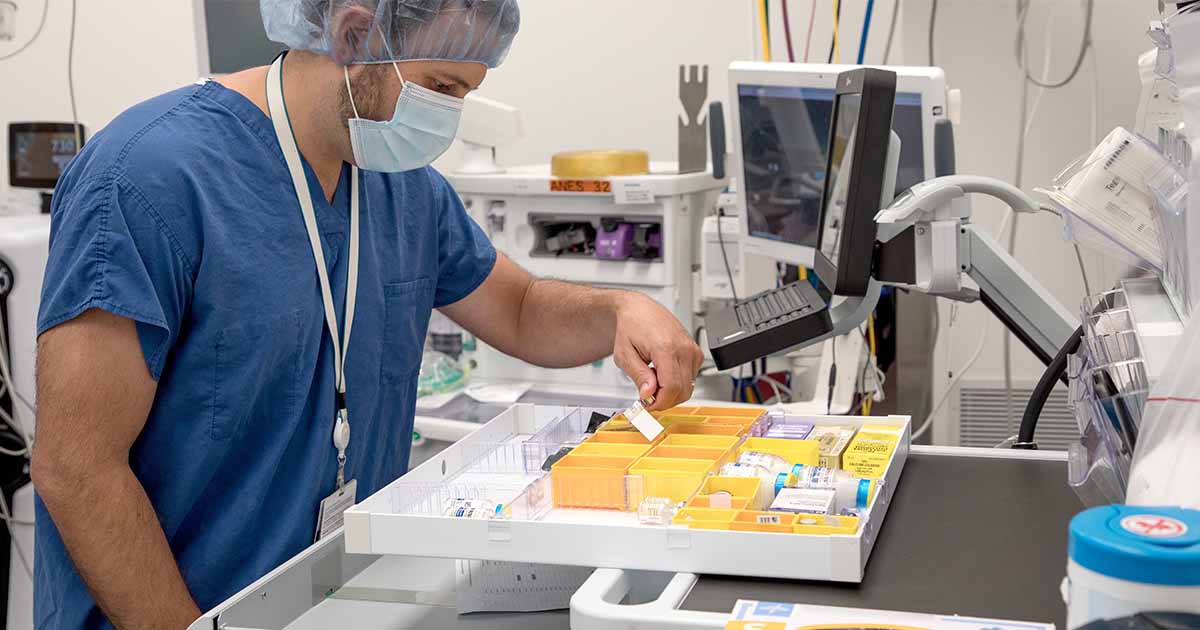
Photo: Fresenius Kabi
The 2013 Drug Supply Chain Security Act (DSCSA) mandates that healthcare organizations must be able to electronically trace prescription drugs at every step in the pharmaceutical supply chain. Radio frequency identification (RFID) tags can aid in such an effort — helping manufacturers, wholesalers, transportation companies and hospitals better prevent counterfeit, stolen or unsafe drugs from reaching patients.
Jonathan Gregory, Director, Global Standards at GS1 US, a not-for-profit organization that creates a common language to identify, capture and share critical data across both physical and digital supply chains, said that GS1 has been providing data standards to aid in logistics and supply chain tracing for decades.
“GS1 in its earliest form started when the universal product code (UPC) barcode was created roughly 50 years ago,” he explained. “We needed a neutral body to govern what values were encoded into the barcodes to identify companies and products.”
Today, GS1 is the most widely adopted identification standard in the world, providing a common business language not just for the United States, but for more than 100 other countries. And, equally as important, GS1 standards have evolved with supply-chain needs as well as newer technologies to provide improved data guidance and structure for today’s RFID tags. That has allowed pharmaceutical manufacturers to not only support these more durable identification tags, but also to more easily read critical data elements including each product’s National Drug Code (NDC), lot number, expiration date and unique serial number as they work to comply with DSCSA regulations.
Increased accessibility
Yet, Gregory added, recent advances in GS1 standards seen in the release of TDS 2.0 have revolutionized the way vendors across the entire healthcare supply chain can use encoded information in each product’s RFID tag. With this update, all critical pharmaceutical product data is now stored in the electronic product code (EPC) memory, making it much more accessible.
“In the past, it was harder to get access to something like an expiration date with an RFID tag,” he said. “Now, thanks to the updated standards, it’s easy to encode and decode. You can do a search, easily detect items that are expired or about to be expired and pull them before they get to a patient.”
Because the information is in a non-proprietary format, there’s no need to pay for cloud-based subscriptions to product or technology databases that house these exclusive data elements, said Gregory. All data that is “operationally significant” is readily available across the pharmaceutical supply chain.
Evolving the standard
GS1 standards continue to evolve to meet various challenges in the pharmaceutical supply chain. For example, the latest release, TDS 2.3, enables manufacturers to put a web domain value into the RFID tag, letting supply-chain stakeholders know where they can get the information needed to safely store and transport different products.
“This gives suppliers greater visibility at various midpoints in the supply chain,” Gregory explained. “They can then get in touch with the manufacturer to get other information like weight, dimensions and storage conditions to ensure the safety and efficacy of these products.”
When healthcare organizations, as well as other supply-chain partners, can rely on a common and reliable data standard like GS1, they can greatly increase traceability, interoperability and patient safety as drugs travel from the manufacturer to the patient.
“There’s a lot of power in having your RFID data match what’s on the label — and to be able to easily access it at any point in the supply chain,” Gregory said. “It gives you greater insights and greater transparency. It’s really a game changer for the pharmaceutical industry.”