Workforce
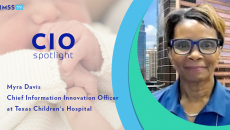
With the unique title of chief information innovation officer, Davis takes a forward-thinking approach to tech advancement. She discusses IT opportunities of standing up a new hospital, as well as provider and patient experience and AI initiatives.

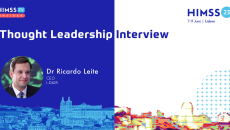
According to I-DAIR's Dr Ricardo Leite, we can reduce the burden of disease by focusing our limited workforce on things we can fix. Going digital makes this possible, so we can shift from "disease systems" to "health systems".

Nursing and IT
Marquette is the first nursing school in the country to incorporate the use of Epic's educational health records software into its curriculum.

"Imagine if the tools on your computer that you need to do your job were so cumbersome, they caused you to be fatigued, burnout, and to have to work extra hours to get your job done. How would this impact the quality of your work?"
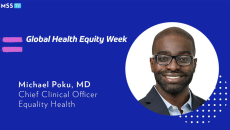
Dr. Michael Poku, chief clinical officer at Equality Health, talks tech needed to successfully tackle inequity, the benefits of investment in independent primary care physicians and how providers can work on the costs of health inequities.
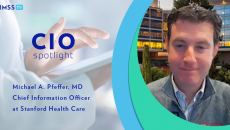
The CIO, who is also an associate dean at Stanford University School of Medicine, discusses AI and innovation projects his team has been working on, where he’s prioritizing strategic IT investments, and some emerging technologies that have him intrigued.
Also, Fujitsu and Toppan have partnered to offer advanced big data analysis services.

NYU Langone researchers say the natural language processing tool, which was able to spot signs of anxiety, burnout and depression in staff during the pandemic, could be a key approach to safeguarding mental health going forward.

Despite facing immense challenges since the pandemic began, the nursing workforce is nothing but resilient and resourceful. These stories show how RNs and NPs are embracing emerging tech to advance their mission to serve patients.