Workforce
AI & ML Intelligence
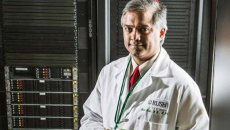
The healthcare industry must simultaneously guard against technology outpacing its practical uses, says one physician and CIO.

Showing clinicians how new technologies can streamline their workflows builds a connection with them and breaks down their resistance to adopting these tools, says Rachelle Landry, VP of clinical transformation at BD.


Technology usability issues contribute to burnout. But involving clinicians in developing and deploying tools that fit their workflows is the answer, says Dr. Jesse M. Ehrenfeld, president of the American Medical Association.
HIMSS24 Europe
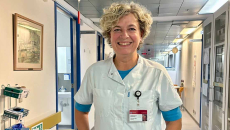
Christine Antorini, former Danish education minister, believes that innovative education and job strategies could harness a growing interest in healthcare careers. She began nursing at 58.

Mercy Health is the latest healthcare provider in the Australian state to adopt FiveP's Baret for its clinical communications.

Dr. Monika Sonu uses insights gained during her medical practice to develop technologies that improve patient and clinician experiences. The Healthinnovation Toolbox cofounder and HIMSS24 Changemaker explains.

Nurses and others providing inpatient care are struggling the most with documentation burden, but a new Arch Collaborative report offers some advice on helping reduce nurse burnout and turnover.

The role of nurse informaticists has expanded to include deciding which technologies can best support evolving care delivery models, says MaryAnn Connor, senior director of nursing informatics, at Memorial Sloan Kettering Cancer Center.

Success Stories & ROI
The clinician-informed data model answers more than 70% of patient questions correctly, reducing the number of routine questions clinicians need to answer so they can focus on more complex patient concerns. The tool also is helping boost health equity for new mothers.