Workforce
HIMSS Middle East 2020
Healthcare IT News explores some of the most pivotal workforce initiatives in the GCC and MENA regions, with Dr Osama ElHassan, health informatics specialist, Dubai Health Authority who will be speaking at the HIMSS & Health 2.0 Middle East Event.
In this sixth story in our burnout series, five physicians who have been overseeing telemedicine programs during this unprecedented surge discuss stress and ways to survive it.

Technology can also exacerbate nurse burnout, of course. But Marianne Everett, RN, assistant vice president of nursing informatics at Virtua Health, says properly deployed tech can help combat workplace stress.
The Academy will improve speed and effectiveness with which WHO guidelines health workers and other professionals in the field.
An Intel survey of healthcare decision-makers suggests great excitement for more widespread artificial intelligence and machine learning adoption, but also some skepticism.
An integrated coaction model, or iCaM, is ideal for addressing complex multispecialty parameters associated with health inequities and COVID-19.
American Medical Association delegates adopted a policy this week directing the organization to keep working to support telehealth advancements during and after the COVID-19 pandemic.
The ousting comes on the heels of a joint warning from the Cybersecurity and Infrastructure Security Agency, HHS and the FBI about "increased and imminent" cyber threats to hospitals.
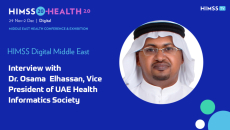
The workforce should prioritize digital skills to help improve workflows and care pathways, says Dr. Osama Elhassan, coordinator of the ZIMAM initiative and board member of the International Society of Telemedicine & eHealth.
Sixty-four percent of UK healthcare workers experience IT issues during their working week, only a third of their time is actually spent helping patients.