Women In Health IT
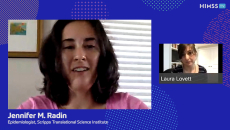
Wearables data could be used to detect viral infections, including COVID-19, explains Scripps Translational Science Institute Epidemiologist Jennifer M. Radin.
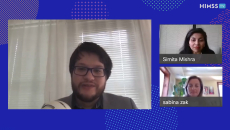
Northwell Health's Simita Mishra and Sabina Zak discuss how the health system is learning more about its patients to provide them with better — and more personalized — care.
Olympia, Washington-based Physicians of Southwest Washington is taking advantage of a health IT vendor’s free tech in an effort to gain efficiencies in coronavirus triaging and to see patients remotely.
A gender-equal world can be healthier, wealthier and more harmonious – what's not great about that? For this year's International Women's Day, three HIMSS Future50 leaders share their thoughts.
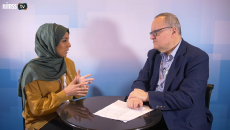
Despite its many challenges, telemedicine is helping reduce the burden on secondary care in the Kingdom of Bahrain, says Dr. Khatoon Shubbar, who is with the country's ministry of health.
Dr. Eldesia Granger of The MITRE Corporation guides healthcare leaders on how to work with consumer-generated data. At HIMSS20, she’ll highlight MITRE’s framework for handling this emerging information source.
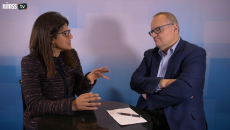
Dr. Tamara Sunbul, medical director of clinical informatics at Johns Hopkins Aramco Healthcare in the KSA, says that identifying and training physician champions while planning ahead are key factors in a successful EMR "go live."
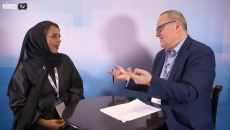
Dr. Khulood Mohamed Alsayegh, head of clinical standards and guidelines at the Dubai Health Authority, says that the drive toward leveraging telehealth to empower patients is aimed at utilizing technology and the human factor to improve the patient experience.
Overall immunization process time at the hospital has dropped from about 48 hours per month to 2.5 hours. And four steps have been cut from the process.
The annual recognition is meant to celebrate women who are working to harness the power of information and technology to transform health and healthcare.