Privacy & Security
New skill set needs, old business associates and large data hosts becoming attractive targets top the list of chief information security officers.
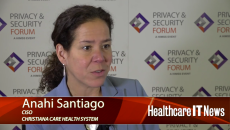
Whether it's protecting against ransomware attacks, managing insider threats, implementing device management policies or convincing the C-suite to open its purse-strings, the role of a chief information security officer is a complex one.
In a world where cyber criminals can exfiltrate healthcare data from the other side of the globe, health systems have their work cut out for them when it comes to protecting patient information.
Skip market share leaders. Instead, pinpointing emerging technologies enables healthcare organizations to get cutting-edge technologies for a song. Just not without some degree of risk.
(SPONSORED) Jeff R. Livingstone, global lead, life sciences & healthcare at Unisys, says not enough attention is paid to the security of medical devices, which, thanks to the increasing interconnectedness of the Intenet of Things, represent a dangerous front for cyberattacks.
Cyberattacks that influence healthcare stocks could cause long-term damage to providers and yield big profits to criminals, according to Scott Borg of the U.S. Cyberconsequences unit.
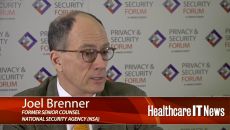
Healthcare tops the list for ‘losing stuff’ and the ratio of incidents to breaches, Joel Brenner said Monday during the HIMSS Privacy & Security Forum in Boston.
San Diego-based company aims to bolster its AttackIQ FireDrill platform.
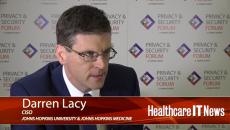
After a banner year for healthcare breaches, it's worth taking stock of where we are and what we need to do to ensure 2017 is better for cybersecurity. Darren Lacey, chief information security officer at Johns Hopkins offers his perspective on the state of the industry.
Experts will convene at the HIMSS and Healthcare IT News event to discuss best practices for cybersecurity, fending off attackers, sharing threat intelligence, learning from the dark web, grappling with budget realities and more.