Privacy & Security
When it comes to cybersecurity issues, many in the healthcare industry likely recognize the importance of protecting patient medical data.
The legislation would forbid companies from using health information for "discriminatory, unrelated or intrusive purposes."
Also, commercial results of the national testing programme in this week's Healthcare IT News roundup.
The tools could help payers manage the demands of standards-based interoperability challenges, and also offer security, identity management and consent management.
Even as ONC and CMS push for wider patient data sharing, many healthcare consumers are hesitant. The American Medical Association has issued new privacy principles supporting the rights of individuals to control how their health information is used.
The technique, called federated learning, is designed to enable collaboration among far-flung research organizations on machine learning models, while still protecting patient privacy.
Phishing is still the number-one cause of breaches, according to the newly released BakerHostetler Data Security Incident Response Report, with ransomware on the rise.
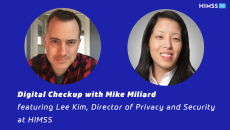
HIMSS Director of Privacy and Security Lee Kim offers insights for health systems as they defend against both COVID-19 and the opportunistic cyberattacks that are using it as cover to sow chaos.
Persistent flaws in the ability to accurately ID and match patient records are hindering two must-haves on the road to reopening: contact tracing and, eventually, vaccine administration.
Privacy remains an important determinant of how technology is deployed, even during these times of COVID-19, argues HIMSS' chief clinical officer Dr. Charles Alessi.