Medical Devices
Privacy & Security
A cybersecurity expert offers a comprehensive and in-depth look into an emerging area of healthcare security, and offers tips for healthcare execs on what they can do and where they can look for answers.
Security
Medical devices must be managed from a security perspective, but also from an operational perspective. Using analytics to establish behavior baselines helps support risk assessments, find malfunctions and enhance staff productivity.
The health system's IT arm says the network, focused on real-world evidence, will help with curated clinical data sharing among providers, pharmaceutical researchers, device manufacturers, policymakers and others.
SPONSORED
 |
03:00 pm |
August 08, 2019
|
03:00 pm |
August 08, 2019
|
03:00 pm |
August 08, 2019
Building the right technology ecosystem with advanced printing technologies can help healthcare organizations both save ‘clicks’ for providers and improve care delivery.
It’s the operating system that runs the elevator, the HVAC system, medical equipment, and even the router that connects everything else in a hospital to the outside world.
SPONSORED
 |
01:00 am |
July 26, 2019
|
01:00 am |
July 26, 2019
|
01:00 am |
July 26, 2019
According to the CBSi B2B Cybersecurity Study, Asia Pacific 2018, one of the biggest challenges faced by an organisation’s cybersecurity framework is aligning cybersecurity with business priorities.
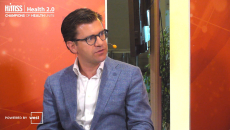
Tristan van Doormaal, a neurosurgeon at UMC Utrecht in the Netherlands, details how augmented reality and virtual reality can help patients understand their condition better and train residents in different approaches to surgery.

Julio Vivero, business partner at GMV, says medical devices and data privacy are two huge cybersecurity issues the healthcare industry is facing, and a one-size-fits-all approach is not the solution.

Norway Health Tech CEO Kathrine Myhre, winner of the HIMSS Europe Future50 award, says lessons from oil and gas industry successes along with Norway's pioneering culture help fuel the drive to maximize the healthcare system's potential.