Meaningful Use
Healthcare organizations have a lot on their plates nowadays, and the challenges are only growing. Meaningful use is a big one, of course - not least Stage 2's new focus on patient engagement.
Everyone wants to be heard. And, by all accounts, the providers and healthcare organizations that commented on the proposed rule for meaningful use Stage 2 weren't just wishing upon a star when they sent their carefully crafted comments to the Centers for Medicare & Medicaid Services for consideration.
The federal government released the final rules for Stage 2 meaningful use on Aug. 23, with federal officials' assurance that the public's voice was heard. But some key players are saying doctors' best interests weren't met.
Chief information officers were scrambling to wade through and make sense of more than 1,000 pages of Stage 2 meaningful use rules yesterday afternoon, with some poring over the details late into the night. Most seem pleased, so far, but say there's lots of work to do.
Beauty, they say, is in the eye of the beholder. What about usability when it comes to machines and especially software? Is it unreasonable to expect elegance?
Michael Grunwald, author of The New New Deal: The Hidden Story of Change in the Obama Era, spoke to Healthcare IT News about the making of the American Recovery and Reinvestment Act, and about why health information technology may be the most lasting and transformative pillar of the stimulus bill.
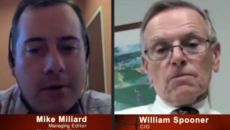
Mike Miliard, Managing Editor for Healthcare IT News, speaks to William Spooner of Sharp HealthCare about meaningful use Stage 2 and the challenging road ahead.
Timothy Bickmore, associate professor at Northeastern University's College of Computer and Information Science, has been working for the past decade in the area of "relational agents." He says these artificially intelligent avatars are poised for a promising future in healthcare.
Boston Children’s Hospital knows a little something about what it takes to be at the top. Consistently recognized for its medical specialties and patient care, it is considered one of the best pediatric hospitals in the world.
An idea can change a lot over eight years and while the intent of interoperability remains essentially the same, its application has split off in various directions since 2004, when the Bush administration called for establishment of electronic health records, universal connectivity between healthcare providers and named David Brailer, MD, as national health information technology coordinator.