Interoperability

Together they manage 80 million images worldwide, and with 24/7 exchange of medical records from any device, they aim to eliminate use of CDs for digital imaging transfer.

SPONSORED
HIMSS22 APAC
 |
10:46 pm |
September 18, 2022
|
10:46 pm |
September 18, 2022
|
10:46 pm |
September 18, 2022
While Australia is pushing for an enabling environment for healthcare interoperability, obstacles are still in the way of connected care.

A new law in the Golden State requires providers, payers and public health agencies to participate in real-time information sharing by 2024. Timi Leslie of Connecting for Better Health offers a perspective on that massive undertaking.

It is deploying asset management and workforce management solutions from GE Healthcare and the TrakCare HIS from InterSystems.

Improving healthcare access requires data initiatives that allow agencies and providers across states to build a holistic view of a patient's needs, says Sumit Sajnani, health information technology officer for Connecticut's Office of Health Strategy.

SPONSORED
HIMSS22 APAC
|
11:28 pm |
September 12, 2022
|
11:28 pm |
September 12, 2022
Enterprise access to all clinical information can improve clinical decision-making and support better health outcomes.

The distributed ledger technology supports remote patient monitoring, enabling patients to participate in the clinical trial from home, while it allows all stakeholders to access the data from any interface.

Only three to four in 10 leaders are able to harness data and use AI and predictive analytics.
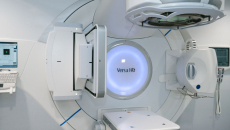
The collaboration will use the FHIR Accelerator CodeX to enable automation between payers and providers, with the goal of improving access to radiation treatment for cancer patients.