Government & Policy

Dr. Doug Fridsma, former ONC chief science officer and current CMIO at Health Universe, discusses the challenges of AI in healthcare and balancing innovation with privacy, safety and regulation.

High regulatory burdens and costs to comply would not be feasible, particularly for smaller and rural hospitals, potentially diverting resources away from patient care or forcing closures.

CMS distributed $3.3B to providers experiencing revenue disruptions, including $2.2B to hospitals, report says.

The Australian Digital Health Agency is enabling allied health's access to health data and wider uptake of AI tools and other emerging technologies.
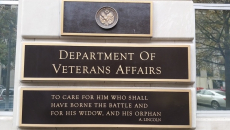
The GAO says the Oracle electronic health record system still has numerous unresolved issues, but the VA insists accounts of persistent potential safety risks are "cherry-picked" and meant to besmirch the Trump administration.

As the third pandemic-era waiver allowing virtual prescribing of controlled substances sunsets, more than 180 telemedicine providers and advocates are asking OMB and DEA to act immediately to protect patients.

The department plans to use the company's agentic artificial intelligence to integrate disease-specific NIH data with Medicare, Medicaid, claims and state registry datasets to improve data quality and CMS governance.

With the Technology-Enabled Meaningful Patient Outcomes initiative, some digital health developers will offer devices for care covered by the CMS ACCESS model while monitoring for real-world performance.

PRECISE confirms that hereditary cancers and kidney-related genetic diseases are under review for potential national genetic testing programme expansion.

The project implementor says costs have increased since the initial business case was introduced during the pandemic in 2021.