Electronic Health Records (EHR, EMR)

By expanding DAX Express, hosted in Microsoft's Azure OpenAI, into EHR workflows, the goal is to reduce "what used to be hours of time for clinical documentation to mere seconds," says one CIO.

The U.S. Virgin Islands signs with CRISP for a data and interoperability pilot program while Ontario launches an eHub with Oracle Health and the NOLA HIE rebrands.

It is part of a phased implementation across SingHealth.

Instead of spending time searching through training libraries, UNC Health team members can quickly access references that streamline their administrative burdens by leveraging OpenAI services on Microsoft Azure.

Any healthcare provider or practice using the Elation EHR can integrate with Zocdoc to automatically surface their real-time appointment availability.

The newest batch of health systems to receive funding to examine their clinicians' patterns of electronic health record use include Brigham and Women’s, MedStar, UCSF and Yale School of Medicine.
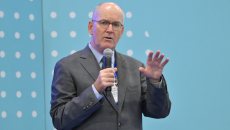
Dr. Don Rucker, now chief strategy officer with 1upHealth, weighs in on where TEFCA is headed and his fundamental concerns about veering away from the way the rest of industry computes.
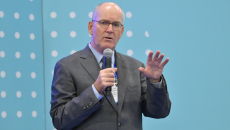
Dr. Don Rucker, now chief strategy officer with 1upHealth, makes the case for a FHIR-based TEFCA to hasten the speed of interoperability. "Let's not reinvent," he said.

Automation is bridging the gap between clinical and coding and documentation, says Tami McMasters Gomez, director of coding and clinical documentation integrity services at UC Davis Medical Center.

The Florida health system has converted more than 7.3 million medication instructions without clinician intervention. The prescribing technology was able to infer missing instructions for subsets and identify high-risk medications, improving patient safety.