Electronic Health Records (EHR, EMR)
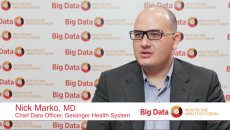
Nick Marko, MD, Chief Data Officer at Geisinger Health System, discusses the nature and purpose of the role of CDO in a healthcare organization.
Critical technologies -- including the electronic health record platform -- at a health network in Missouri went black this past week, and stayed down for 20 hours.
Fair or not, Cerner's reputation in recent years has been one of increasing embrace of openness -- at least more open than Epic, with its perceived "garden-walled" ethos. That stated commitment to data liquidity probably served it well with DoD decision-makers.
Mass General in Boston is No. 1 on the U.S. News & World Report's annual list of Best Hospitals rankings, reclaiming the top spot on the Honor Roll after falling to No. 2 last year.
Health organizations are often moving too quickly from EHR implementation to population health and risk-based contracts, glossing over (or skipping entirely) the crucial step of evaluating the quality of the data they're using.
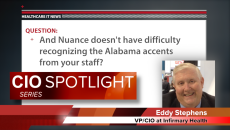
Eddy Stephens, VP/CIO at Infirmary Health in Mobile, Alabama, talks about the current role of the CIO and how voice recognition software has helped the organization.
Brian Wells, Associate VP of Health Technology and Academic Computing at Penn Medicine, talks about the PennSeek application and the effort to index and connect different types of data to make it accessible and effective for precision medicine.
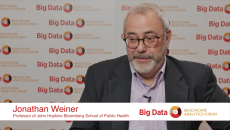
Jonathan Weiner discusses the topics of his presentation from the 2015 Big Data & Healthcare Analytics Forum in NYC: the future of EHRs and other data sources for population health.
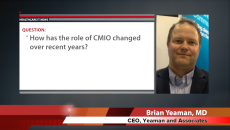
"Being adverse with physicians is something I never really expected to experience as a CMIO," said Brian Yeaman, MD, when asked about how the role has changed over the years.
With Stage 2 meaningful use, ICD-10, the HIPAA Omnibus Rule and the Affordable Care Act dominating the agenda these past few years, Beth Israel Deaconess CIO John Halamka, MD, is doing some research to help reshape next priorities.