Connected Health

Virtual reality is particularly beneficial for teaching social and life skills, says Floreo CEO Vijay Ravindran, who explains and how investment in extended-reality digital therapeutics is evolving.
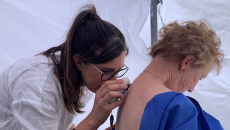
Several vendors announced new artificial intelligence integrations that help primary care providers, home caregivers and others to retain employees and improve operations and patient care.

Remote Patient Monitoring
The sophisticated program employing patient monitoring, patient tracking and reporting technologies also has enhanced patient follow-up and engagement and yielded a big win on overall healthcare delivery.

Hannes Klöpper, cofounder and CEO of HelloBetter, says the U.S. health system is a convoluted array of institutions. But using DTx is one way to lower barriers to care and improve cost efficiency and access.

Remote Patient Monitoring
The panel likely needs more data and a decision on what constitutes a good form of engagement in order to make an informed decision on the proposed changes to the CPT code language for RPM reimbursement, one expert says.

Remote Patient Monitoring
A risk management expert offers perspective on shoring up data security, preventing misdiagnosis and avoiding overreliance on RPM.
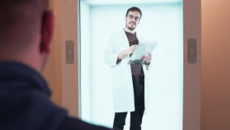
The Dallas-area hospital already uses a holographic video studio and will expand use by installing additional mini hologram displays at several locations throughout the facility and associated clinics.
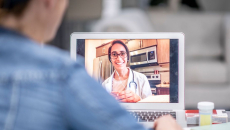
The latest report from the Productivity Commission notes the "slow" uptake of remote care technologies despite wide availability.
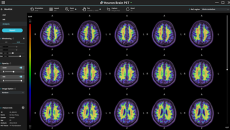
Also, IHH Healthcare is now offering AI-based sleep monitoring solutions.
By 2030, there is projected to be a shortage of 120,000 cardiologists in the U.S. Combined with the decline in hospital beds and rising cost of heart failure, healthcare organizations need to find a way to detect heart failure earlier and at lower cost.