Compliance & Legal
The Cybersecurity Infrastructure and Security Agency this week released a binding operational directive this week requiring federal agencies to patch known exploited vulnerabilities carrying "significant risk" to the federal enterprise.

Advocacy organizations and business groups, including the U.S. Chamber of Congress, argue that current law effectively prevents employers from offering virtual care to part-time or seasonal workers.

The electronic health record vendor had asked the nation's highest court to review its case against Tata Consultancy Services earlier this year.

The groups say that the premature expiration of pandemic-era policies could leave patients, especially immunocompromised people, in the lurch.

The so-called SUNSET rule would have required the Department of Health and Human Services to review its regulations once a decade.

In a preview of the HIMSS Machine Learning & AI for Healthcare event, Carium general counsel Matt Fisher explains two areas of potential liability concerning artificial intelligence – and explains how healthcare organizations can protect themselves.
The principles identify areas in which international standards organizations and other collaborative groups could advance what the agency calls Good Machine Learning Practice.
Members of a House appropriations subcommittee also sounded the alarm about the cost of the program and cybersecurity issues at the agency.

The organization said that doing so would allow patients to continue accessing care while giving Congress time to enact permanent policies.
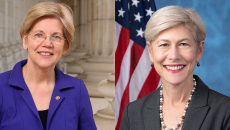
The bicameral legislation, introduced by Sen. Elizabeth Warren and Rep. Deborah Ross, would require disclosure about size, currency and more within 48 hours of payments.